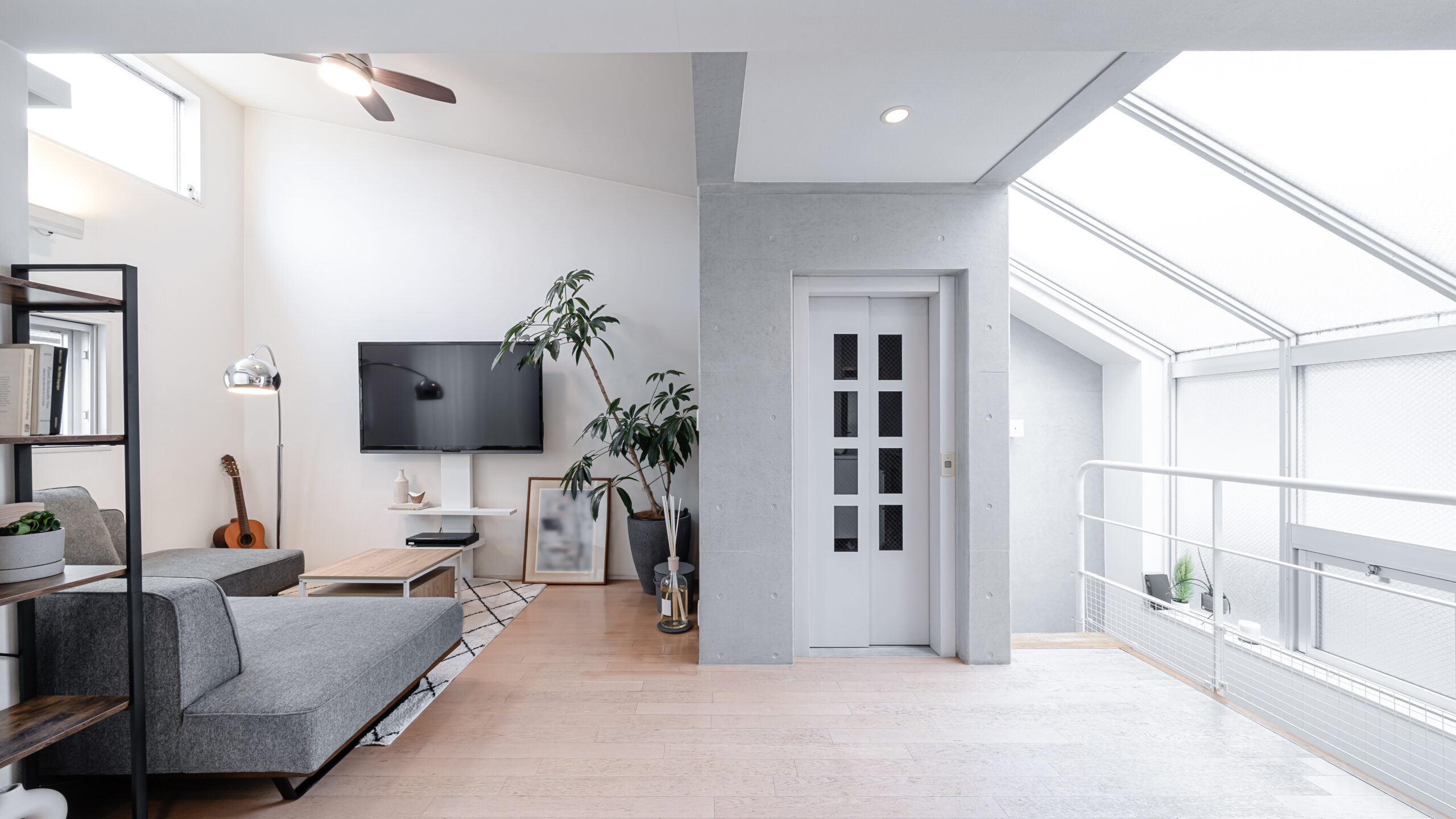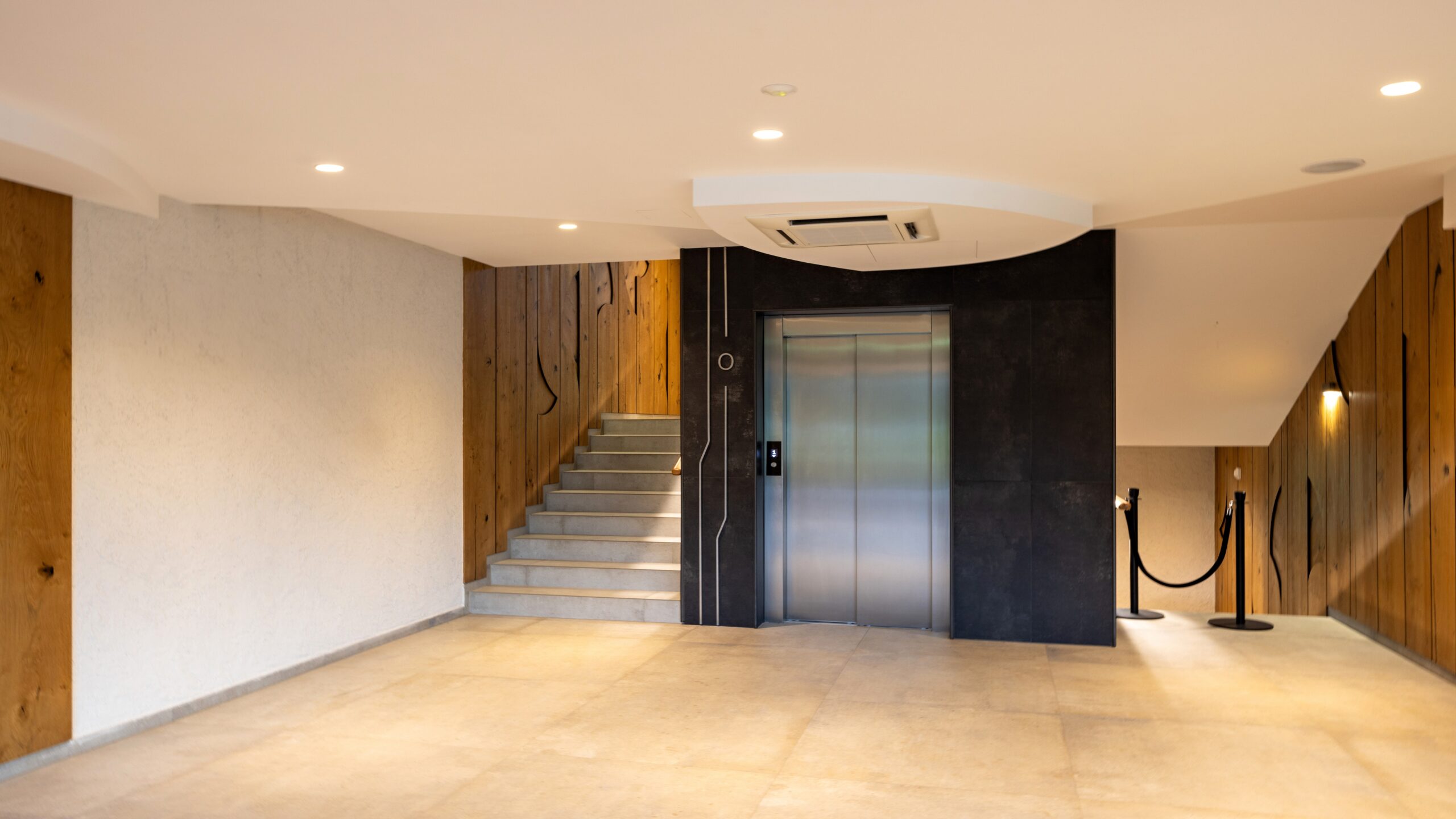
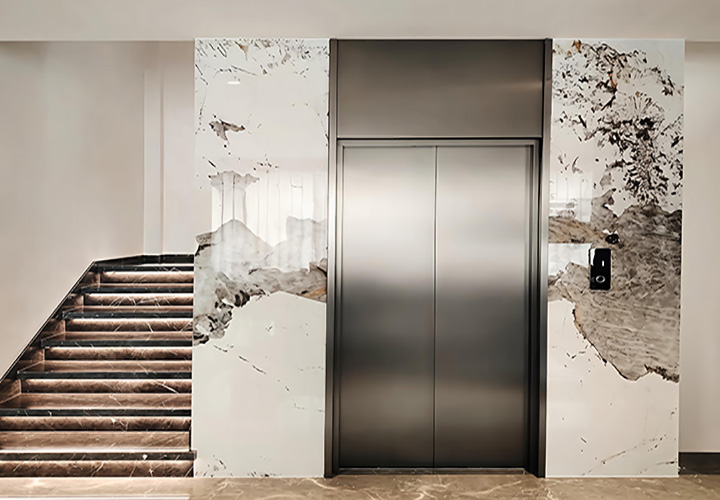
Introduction
When choosing a home elevator, the elevator doors are one of the most important factors. The elevator doors affect the elevator’s aesthetics, the space they occupy, and the convenience of daily use. This article is a guide to choosing home elevator doors, providing a comprehensive explanation to help you select the right door for your needs.
Basic Types of Home Elevator Doors
Home elevators can be mainly divided into two types: manual doors and electric doors. Within these, they can be further divided into manual folding doors, automatic folding doors, and automatic sliding doors. The following is a detailed introduction to the types of home elevator doors.
Automatic Elevator Doors
Automatic doors are generally driven by a motor, opening and closing automatically when the elevator reaches the corresponding floor. They are typically easy to operate, require no manual intervention, and are safe, making them suitable for the elderly, children, and people with mobility impairments. They are a popular choice for smart, modern residential elevators. They are generally made of stainless steel or tempered glass.
Sliding Automatic Door
Automatic sliding doors, similar to those in common commercial elevators, are driven by motors. The doors move from the center outwards towards the sides of the elevator, with the two doors sliding to open. They are a common choice for home elevators. They are typically made of stainless steel or tempered glass. They are a common choice for residential elevators. They are a type of sliding door.
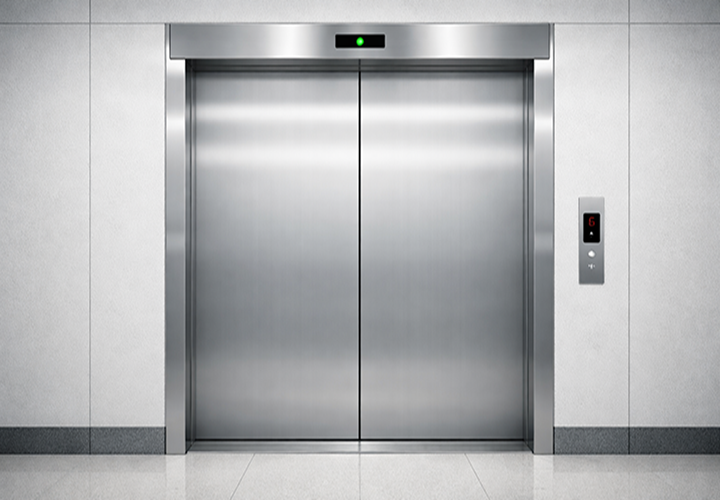
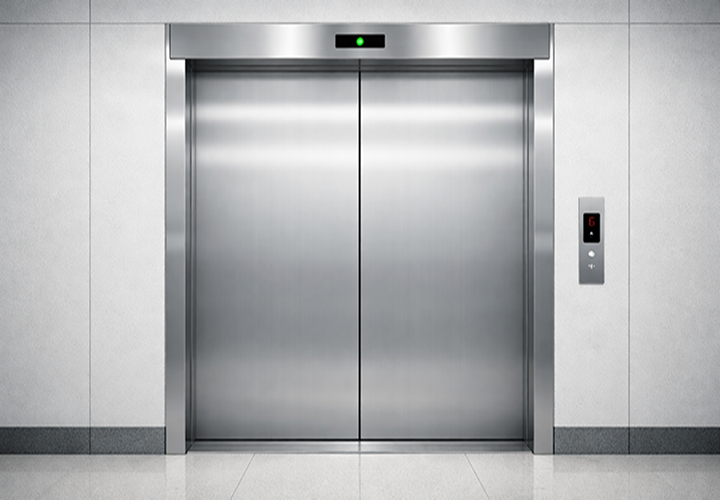 Sliding Automatic Door
Folding Automatic Doors
Automatic folding doors are elevator doors divided into two or more sections connected by hinges. They automatically retract to both sides when opened, similar to doors on a bus. They are a common choice for small residential elevators. They are generally composed of tempered glass as the main body and a metal door frame. Suitable for small apartments, narrow spaces, and those requiring smart technology.
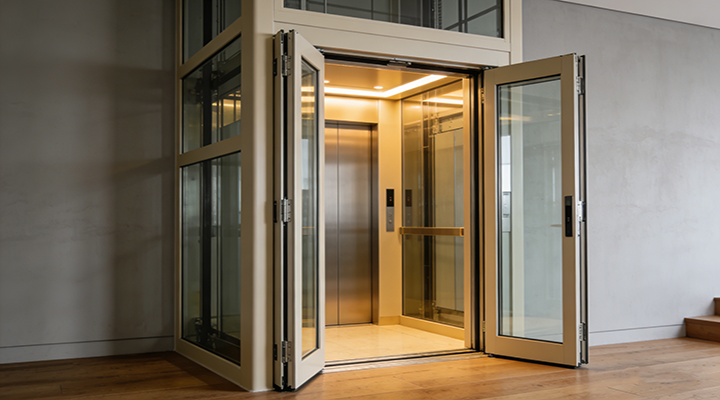
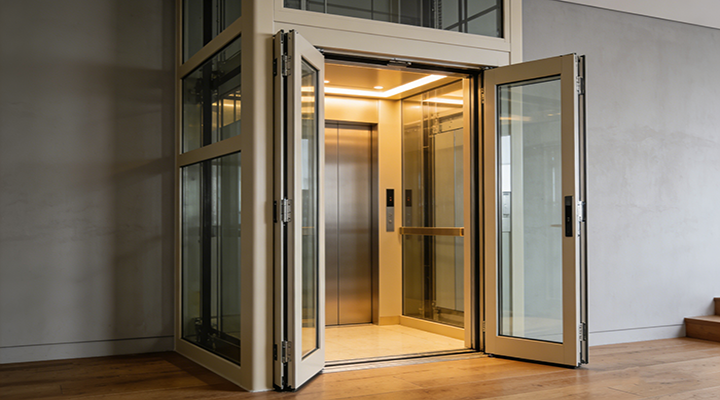 Folding Automatic Doors
Swing Automatic Door
Automatic swing doors, similar to interior doors, are motor-controlled. When opened, the entire door swings outwards or inwards to one side, or rotates open. They are suitable for homes with ample space near elevators. They are typically made of tempered glass or metal. Suitable for villas, duplexes, and smart home applications, they are ideal for those seeking aesthetic appeal and luxurious decor.
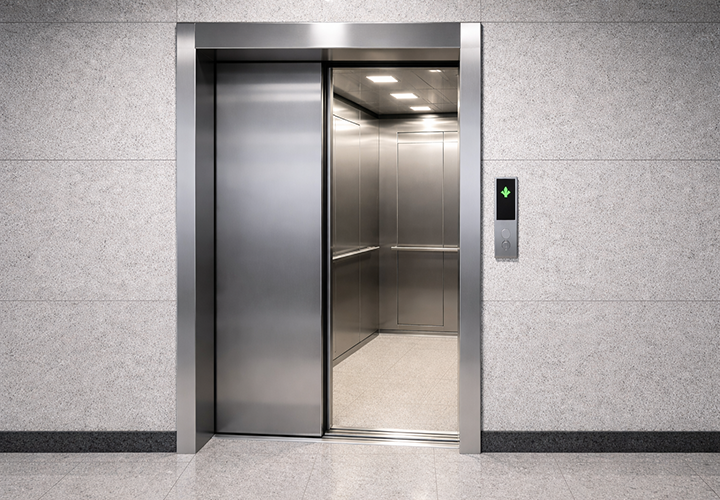 Swing Automatic Door
Through-type Automatic Door
Drive-in automatic doors are doors located at the front, rear, or sides of an elevator car. The car door and landing door open automatically simultaneously, forming a passageway. They are ideal for high-end residential elevators. Drive-in automatic doors are typically made of stainless steel or glass and are suitable for high-end residences and smart home scenarios.
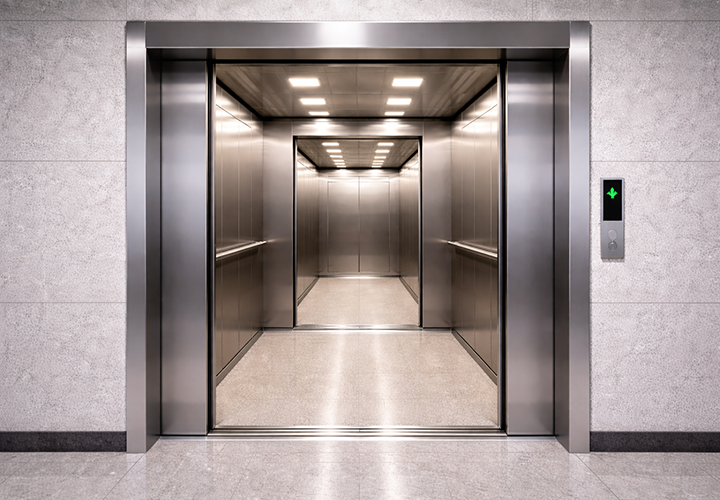 Through-type Automatic Door
Manual Elevator Doors
Manual elevator doors are doors that are opened manually without being driven by a motor. They are characterized by low cost, simple maintenance, and low failure rate.
Swing Manual Door
Manually operated swing doors, similar in style to interior doors found in homes, are also a common choice for home elevator doors. They typically consist of a tempered glass door frame with a metal exterior, or a wooden door. Suitable for homes with ample space.
Sliding Manual Door
Manual sliding doors are doors that require manual pushing or pulling along a track to open; they do not have automatic opening and closing functions and resemble wardrobe doors in style. They are generally made of stainless steel and glass, or wood. They are suitable for use in ordinary residences or villas.
Folding Manual Door
A folding manual door is a type of door composed of multiple door panels that folds like an accordion when opened from both sides. This type of folding manual door is rarely seen in home elevators. It is suitable for small homes, spaces with limited capacity, and budget-conscious situations.
Scissor-type Collapsible Door
Scissor-folding doors, a type of folding door formed by intersecting iron bars, are commonly found in older or retro-style home elevators. They are rarely used in modern home elevators. They are suitable for small residences, narrow stairwells, or for use as home freight elevators.
Through-type Manual Door
A through-type manual door has doors at the front, back, or sides, forming a passageway when manually opened. It allows entry and exit from both the front and back. Multiple doors can also be provided for convenient passenger access. They are typically made of glass. Commonly used in corridors and long, narrow residences, multi-story duplexes, or for wheelchair access for the elderly, the through-type design reduces the need for turning around.
Factors to Consider When Choosing Elevator Doors
Budget
As a crucial component of home elevators, the type of door chosen will affect the final price. Therefore, your budget is a very important consideration. Manual doors cost around $600, which is lower than automatic doors (around $1000), making them more suitable for families with low to medium budgets. Alternatively, if your budget allows for more than $1000, you can choose a through door, providing convenient two-way access.
Space Requirements
The amount of space required is also a factor in door selection. For smaller spaces, such as 700-1000mm, a single-leaf manual door is the first recommendation. If the width is between 1200mm-1600mm, a double-leaf manual door can be custom-made. Automatic doors, being electric devices, require more space to accommodate the opening and closing mechanism, sliding rails, etc. Therefore, for a single-leaf automatic door, 800-1200mm of space is suitable, while a double-leaf automatic door requires more than 1600mm of space.
Application
The choice of door differs depending on whether a home elevator is installed indoors or outdoors. For indoor spaces, automatic doors are a good choice, freeing your hands and making each ascent and descent more convenient. For outdoor spaces, especially in open environments, manual doors are more suitable, preventing wind and sun exposure from causing malfunctions in the automatic door’s motor system. Additionally, if you require frequent use, automatic doors are the most suitable configuration, allowing for faster and smoother operation.
Aesthetics
Home elevators not only improve your mobility but also enhance the aesthetics of your home. The door, being the most visible part of a home elevator, should complement your home’s décor. For a luxurious style, glass, champagne, or rose gold double automatic doors or folding doors are ideal. For a minimalist style, white or gray single-sided sliding doors or automatic doors are perfect. For a vintage style, folding doors can elevate your home’s aesthetic.
Maintenance & Care
The doors of home elevators need to be maintained regularly, which can greatly reduce the probability of them malfunctioning.
Manual Door Maintenance and Care
First, you need to clean and inspect the door, focusing on the door frame, door surface, tracks, and door seams. Wipe them regularly to prevent dust accumulation.
Second, lubricating the door tracks, rollers, and sliding parts is crucial, especially for sliding doors. Regular lubrication is necessary to prevent wear and rust from causing the doors to jam and prevent normal passage.
Third, check the door locks and safety devices on the doors. Inspect these components for wear or rust. If any are found, contact a professional immediately for replacement.
Finally, remove any obstructions around the door. This is especially important for outward-facing sliding doors, as obstructions can damage the door structure during operation.
Automatic Door Maintenance and Care
The maintenance of automatic doors is similar to that of manual doors, and can be referred to the above content. However, automatic doors are electromechanical integrated devices, requiring extra attention to the electrical system and control panel during maintenance. It is necessary for a professional to check the power supply voltage and electrical wiring for problems, and to verify that the control panel accurately responds to issued commands.
Conclusion
While home elevator doors are mainly divided into automatic and manual types, each has several subcategories. This means you have many choices and face a greater information overload. But you’re not alone in this struggle. You can choose us—Anter, a home elevator manufacturer with 16 years of experience. Our professional team can tailor the most suitable solution for your needs, helping you design and manufacture the home elevator that best fits your residence, and equip it with the most convenient and aesthetically pleasing elevator door system.
If you are interested, please fill out the form in the upper right corner, and a professional will contact you shortly.
FAQ
Can I get crushed by a home elevator door?
Under normal and proper use, you are very unlikely to be injured by a home elevator door. Home elevators are generally equipped with anti-pinch protection and sensing devices.
How much does it cost to replace a home elevator door?
There is no fixed cost for replacing a home elevator. The total cost is approximately between $1,500 and $7,000, which includes the cost of purchasing the home elevator door, the labor cost of installation and the cost of parts, as well as the cost of removing the old home elevator door.
If the doors of a home elevator cannot be opened, can the home elevator still be used?
If you are inside the elevator car at this time, remain calm, press the emergency call button, and wait for rescue. Do not try to pry open the doors. If you are outside the elevator car, do not use the elevator; wait until it is repaired before using it.
What are the common reasons why a home elevator door might not close?
Home elevator doors often fail to close because of debris in the door track, accidental activation of the emergency stop button, or overloading.
Can the elevator doors be opened while the home elevator is in operation?
The elevator doors should not be opened while the home elevator is in operation to prevent accidents.