
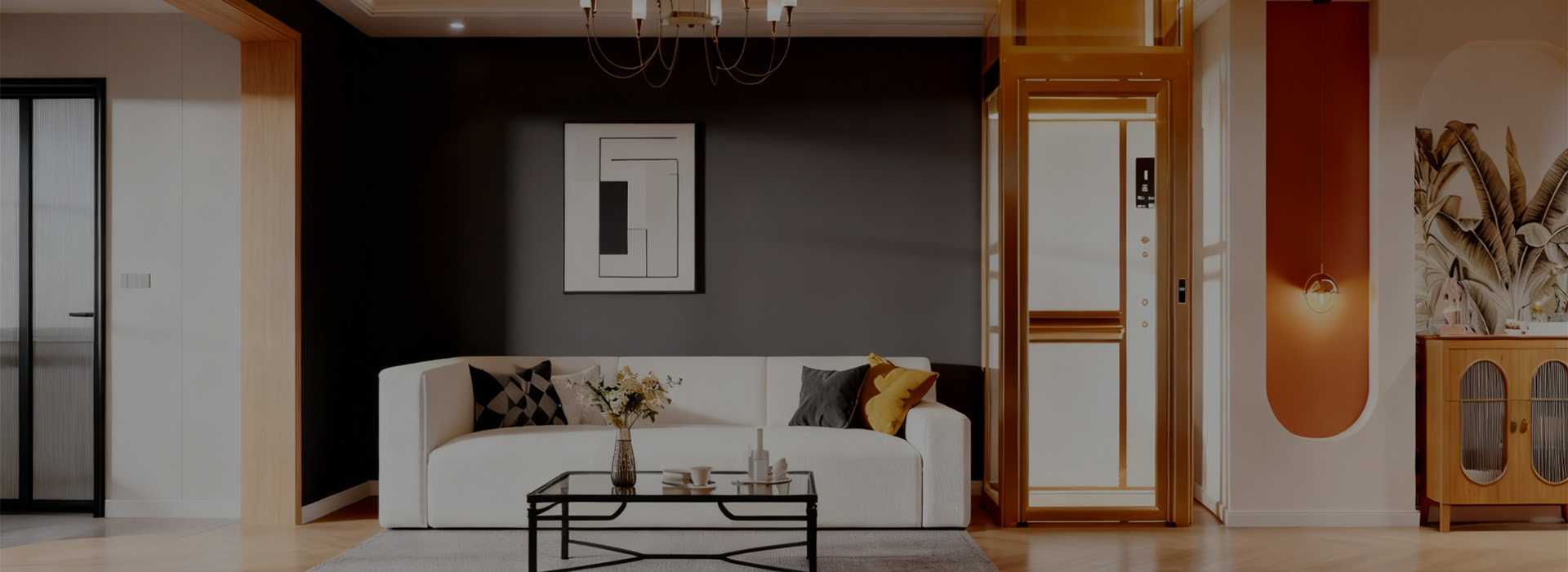
A Reliable, Optimal Choice Is Easy to Renovate
Overhead traction elevators are suitable for low-to-medium-rise buildings of 2 to 30 floors. Because the control system and other components are located in the top machine room, it’s easy to modify the elevator structure and upgrade its functions, such as adding intelligent technologies. Furthermore, Anter’s overhead traction elevator technology is very mature, equipped with a counterweight system to balance the weight of the elevator car, achieving high elevator drive efficiency, low energy consumption, and a low failure rate. We have also reduced the elevator’s size and noise level, making it more reliable and a great choice to meet your needs.
The Overhead Traction Elevator in China
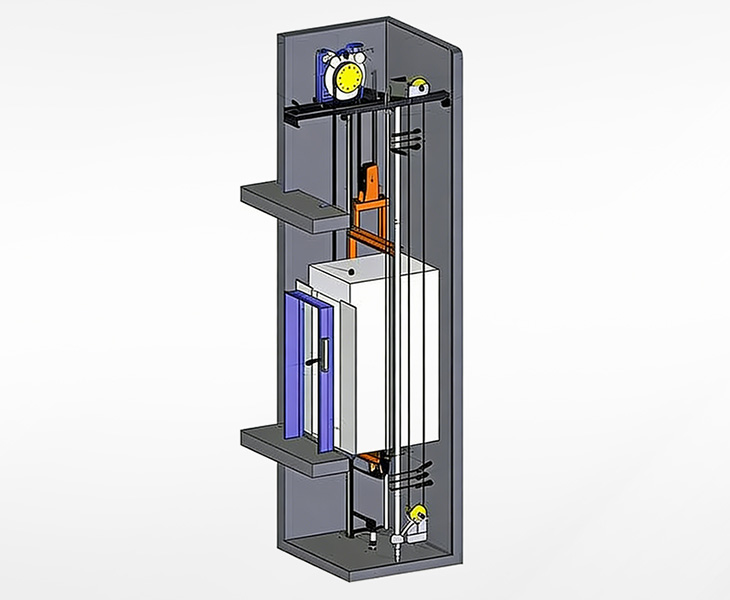
If you’re still hesitating about which elevator to choose, why not take a look at our traction elevator? The frame is made from a single piece of bent steel plate, with all screws hand-tightened and no welding points. The frame is thick, providing solid and reliable load-bearing capacity. It features side grooves and fixing holes, allowing for direct installation of tempered glass.
It uses a Fassi brand permanent magnet synchronous traction machine with counterweight assistance for traction. It has fixed guide rails on both sides, with the elevator car in the middle. It’s equipped with an outward-opening glass electric door and a new Chinese-style luxury elevator car. We are a direct factory for home elevators, providing a one-stop service from design, material cutting, production, shipping, and installation.
Please don’t hesitate, please contact us now!
Upgrade Your Building with a High-Performance Elevator
Fast, safe, and energy-efficient, our Overhead Traction Elevator offers quiet rides, wide load capacity, and over 20 years of dependable service.

Fast operating speed, reaching 1-2 m/s, with even faster speeds available upon request.

Uses a traction system, resulting in low power consumption.

Load capacity starts from 400kg, and can reach up to 2000kg.

Uses a permanent magnet synchronous motor for noiseless operation.

Small shaft footprint, suitable for compact duplex buildings.

Features fall protection, overs-peed protection, anti-pinch protection and so on.

Safe and stable structure, durable steel wire ropes, with a service life of over 20 years.

Simple routine maintenance, and easily replaceable parts.
Easily Resolved Maintenance Issues
Overhead traction elevators primarily locate important components such as the traction machine, control cabinet, and speed governor at the top of the hoist-way or in the top machine room. Compared to placing them within the hoist-way, this arrangement makes maintenance easier, allowing for convenient monitoring of the components. Even during replacement or repair, it avoids damaging the original structure of the elevator. Furthermore, ventilating and controlling the temperature of the machine room prevents moisture damage to the elevator, reducing malfunctions, extending its service life, and saving on maintenance and replacement costs.
Smooth, Low-noise, and Long-term Operation
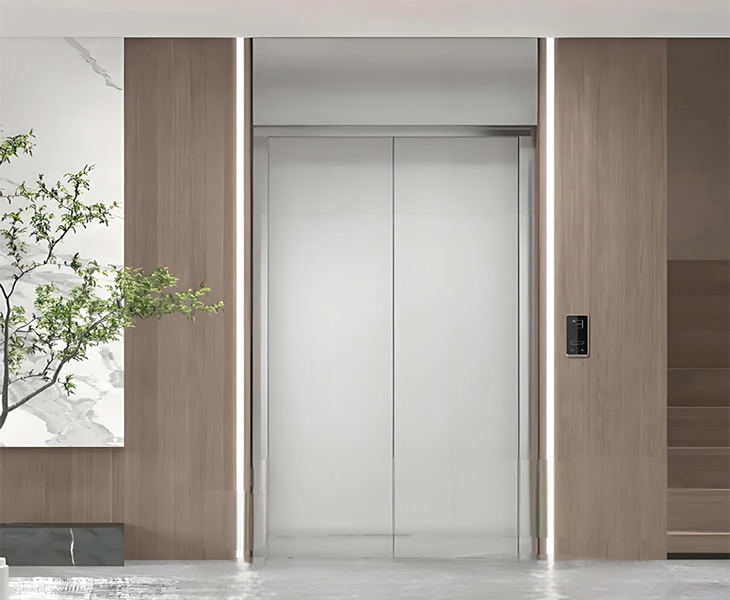
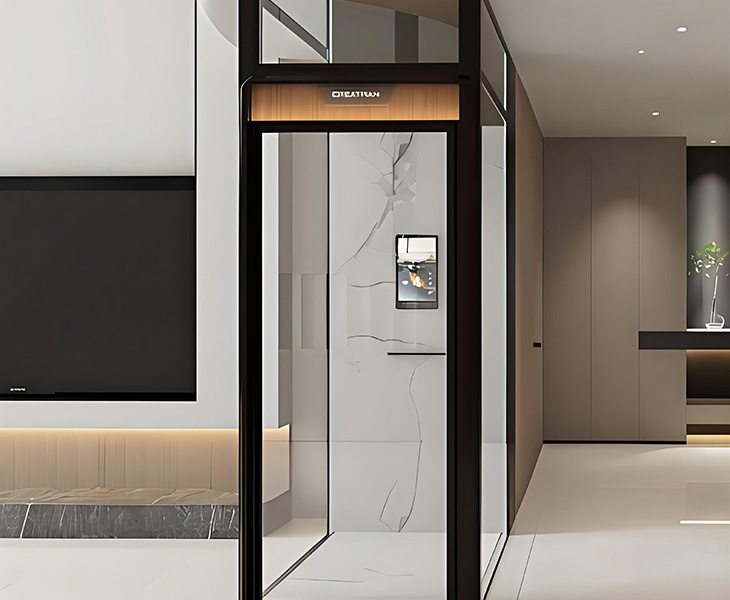
Overhead Traction elevators primarily rely on the interaction between traction steel ropes and traction sheaves for normal operation. This method results in minimal impact and vibration during elevator movement and generates very little noise, ensuring quiet and stable operation. Furthermore, this type of elevator uses a top-mounted machine room design, isolating the noise generated by the drive system from the living areas, thus achieving a noise reduction effect. This makes it ideal for home environments where convenience and quiet operation are highly valued.

A top-mounted traction elevator is an elevator where the traction machine, control cabinet, and speed governor are installed at the top of the hoist-way. It uses steel ropes and a counterweight system to drive the elevator car up and down. It is a type of traction elevator structure, as opposed to a bottom-mounted traction elevator.
This depends on the specific situation. If there is sufficient space at the top of the hoist-way, a machine room is not required. If the space at the top of the hoist-way is limited, a machine room will be needed.
Top-mounted traction elevators are generally recommended for buildings with 3-7 floors, such as residences, villas, small commercial projects, and high-end residential buildings.