

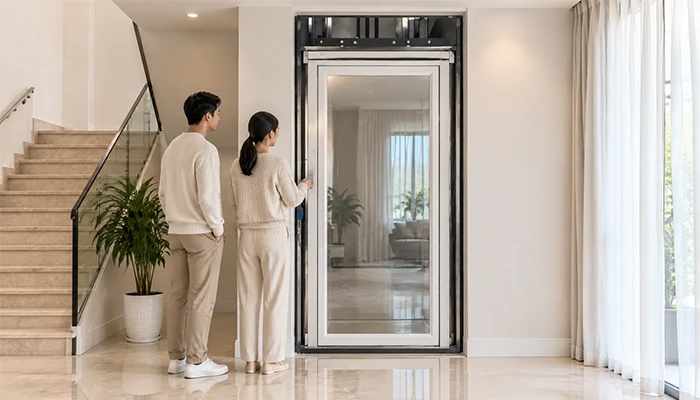
The timing of a home elevator installation is a critical factor during the construction phase of a new villa. Choosing the wrong time can even render the elevator unusable.
To ensure the long-term, reliable operation of your equipment, we provide a detailed breakdown of the optimal timing for home elevator installation, along with an analysis of the pros and cons associated with different stages of site entry.
Civil Construction Phase
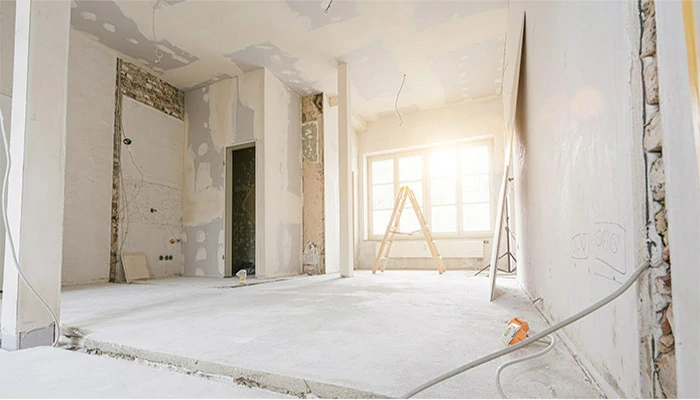
Elevator blueprints must be finalized by the time the structural floor slabs are poured and the openings for the elevator shafts are being reserved.
Even if you have not yet finalized the specific elevator model, the dimensions of the elevator shaft (width and length), the depth of the pit, the height of the top floor, and the load-bearing capacity and embedded anchor points for the floor slabs must all be constructed in accordance with the drawings provided by the intended elevator manufacturer.
Finalizing the drawings is the earliest critical milestone in any project. If the drawings are finalized too late—after the structural concrete has already been poured—the locations of openings and the distribution of structural loads become fixed, making any subsequent modifications extremely difficult.
Note: This stage is solely for confirming the drawings; it does not involve the commencement of on-site elevator equipment installation.
Recommendation for The Optimal Entry Point for Installation
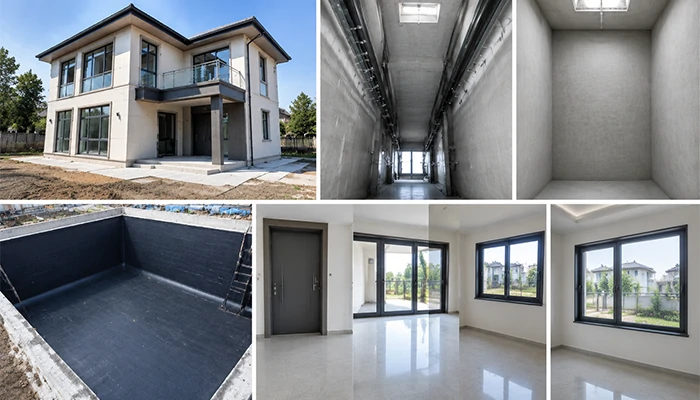
Once the following conditions are met on-site, the home elevator components—including guide rails, the main drive unit, and the structural framework—may be brought in for installation.
- The main civil works, elevator shaft structure, and pit waterproofing are all complete;
- The interior of the elevator shaft has been plastered, leveled, and is completely dry;
- All doors and windows have been installed;
- There will be no further large-scale “wet” construction work or operations that generate significant dust on-site.
The installation of elevator car finishes, observation glass, and stainless steel door frames can be carried out in two stages: first, install and commission the mechanical framework and control system; then, once all dust-generating tasks—such as painting, sanding, and putty application—throughout the building are complete, proceed with the installation of the car walls, glass, and decorative panels.
This sequence helps to minimize the risk of scratching or contaminating expensive decorative surfaces.
Drawbacks of Installing At An Inappropriate Time
The timing of the correct on-site installation of a home elevator is crucial. Installing it too early or too late can cause irreversible damage to the elevator.
Drawbacks of Bringing Equipment On-site for Installation Too Early
Installing a home elevator too early—while masonry, sanding, and painting work are still underway throughout the house—can lead to large amounts of dust entering the guide rails, door mechanisms, and control cabinets. This may compromise the elevator’s stable operation and safety, shorten its service life, or, in severe cases, cause it to malfunction.
In addition, cement slurry or paint may splash onto the stainless steel surfaces or observation glass of the elevator car, creating stains that are very difficult to clean.
Moreover, the elevator surfaces may sustain irreversible scratches, leading to a massive increase in the workload for subsequent maintenance and cleaning; in some cases, decorative components might even be rendered completely unusable.

Entering The Site for Installation Too Late
If a home elevator is installed only after all hard finishes and wall-edge detailing have been completed, it becomes very difficult to achieve an aesthetically pleasing finish for the gaps around the door frames and the elevator shaft.
Elevator installation also requires a dedicated power circuit. Once the walls are sealed, there is no space left to conceal wiring; consequently, all conduits and cables must be installed on the surface, which detracts from the overall interior design. Furthermore, there is no suitable pre-designated space for flush-mounting the call panel.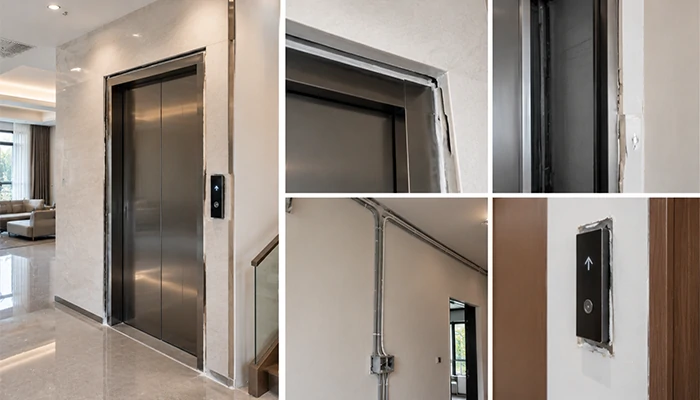
Installation Sequence of Elevators with Different Shaft Designs
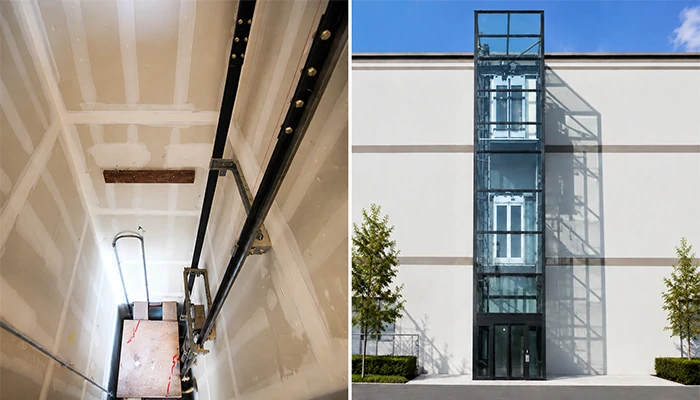
- Existing Civil Engineering Shaft: Elevator equipment installation will commence only after the shaft interior is completed and fully dried.
- Integrated Aluminum Alloy Glass Shaft: The glass frame itself is a decorative component. It is typically erected after the main structure is completed and the exterior walls are finished. The elevator main unit and car will be installed only after the frame has been inspected and approved.
FAQs
How long after a home elevator is installed and tested can it be put into high-frequency use?
Once the machine has completed its self-test and debugging, it can be put into trial operation. However, it is recommended to wait until all dust removal processes in the house are completed before using it in high-frequency daily use, which can reduce dust wear on the guide rails and door components.
When is the best time to install a dedicated power supply for elevators?
The elevator’s dedicated power line will be installed concurrently with the overall plumbing and electrical renovation phase. This step cannot wait until after the elevator installation is complete.
When Is the Best Time to Install an Elevator in an Existing Home?
For existing residential elevators, the optimal installation time is primarily determined by the completion of necessary civil engineering work, such as opening up the floor slab, constructing the shaft, modifying the electrical circuits, and cleaning up dust and debris. Secondly, the site must be dry and level.
How long does it take to install a home elevator ?
Home elevators with simple structures and fewer floors can be installed in 3-5 days; elevators with complex structures and more floors take about 7-10 days; while round glass home elevators, which require a high degree of precision in installation, may take up to 15 days to install.
How Much Does a Residential Home Elevator Cost, Including Installation, in 2025–2026?
The global demand for home elevators continues to increase. The average global price of home elevators is expected to rise in 2026 compared to 2025.
The cost including home elevator installation was approximately 35,000–60,000 in 2025, while it is projected to rise to 45,000–75,000 in 2026. The home elevator market represents a market with enormous potential.
Final Thought
The typical process for installing a home elevator in a newly built villa is as follows: finalize the elevator drawings in the early stages of civil engineering → install the main mechanical components after the masonry work is completed → after the dust removal process is finished throughout the house, install the decorative glass and car decorations.
If you have a villa renovation schedule, please send it to us. We can combine the construction procedures for home elevators to help you and your renovation team synchronize important milestones, thereby avoiding conflicts in the construction process and damage to the finishes.

 English
 Arabic
 Vietnamese
 German
 Malay
 Thai