Introduction
A home elevator is a convenient auxiliary device designed specifically for private residences, allowing you to quickly reach different floors in a short time, thus enjoying a comfortable and efficient life. But are you still hesitant due to cost concerns? If so, then the cost of a home elevator and this article are perfect for you. Installing a home elevator isn’t as expensive as we might imagine, and many costs may not apply to your specific situation. This article outlines the components of home elevator installation costs and how to reduce them. It can help you understand the current costs in the home elevator installation market.
The Type of Home Elevator and The Impact on Cost
First, before understanding the installation cost of a home elevator, we need to familiarize ourselves with the different types of home elevators, as these directly affect the installation price. Below is a list of the most common types of home elevators currently on the market.
A traction elevator is a device that uses a motor to drive steel cables or wire ropes, generating friction to move the car and counterweight up and down. The installation cost of a traction elevator typically ranges from $3,000 to $8,000. The installation requirements for traction elevators differ from other elevators. Traction elevators require more space to house the traction drive system, thus necessitating a longer shaft or a separate machine room. However, the pit depth requirement is not as high. Furthermore, the construction of traction elevators is more challenging, especially for high-rise buildings, where extremely high precision is required, resulting in relatively higher installation costs.
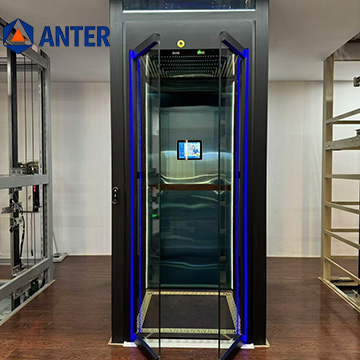
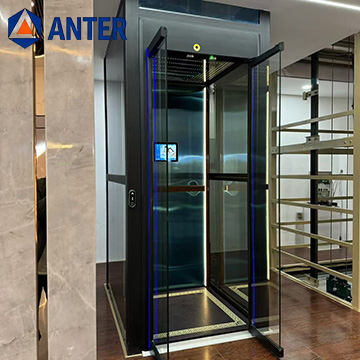
A hydraulic elevator is a lifting device driven by hydraulic pressure. It works by pressing hydraulic oil into a cylinder to create a pressure difference, causing a lever to move linearly up and down, thus moving the car. The installation cost of a hydraulic elevator ranges from $4,200 to $10,000. Hydraulic elevators can only be installed on lower floors, such as the 2nd to 4th floors. Their simple structure eliminates the need for a machine room and has less stringent requirements for the shaft, making them easier to install. However, hydraulic elevators require a deeper pit to house the hydraulic equipment, which accounts for a larger portion of the overall installation cost. Nevertheless, the overall installation cost of a hydraulic elevator is still relatively low.
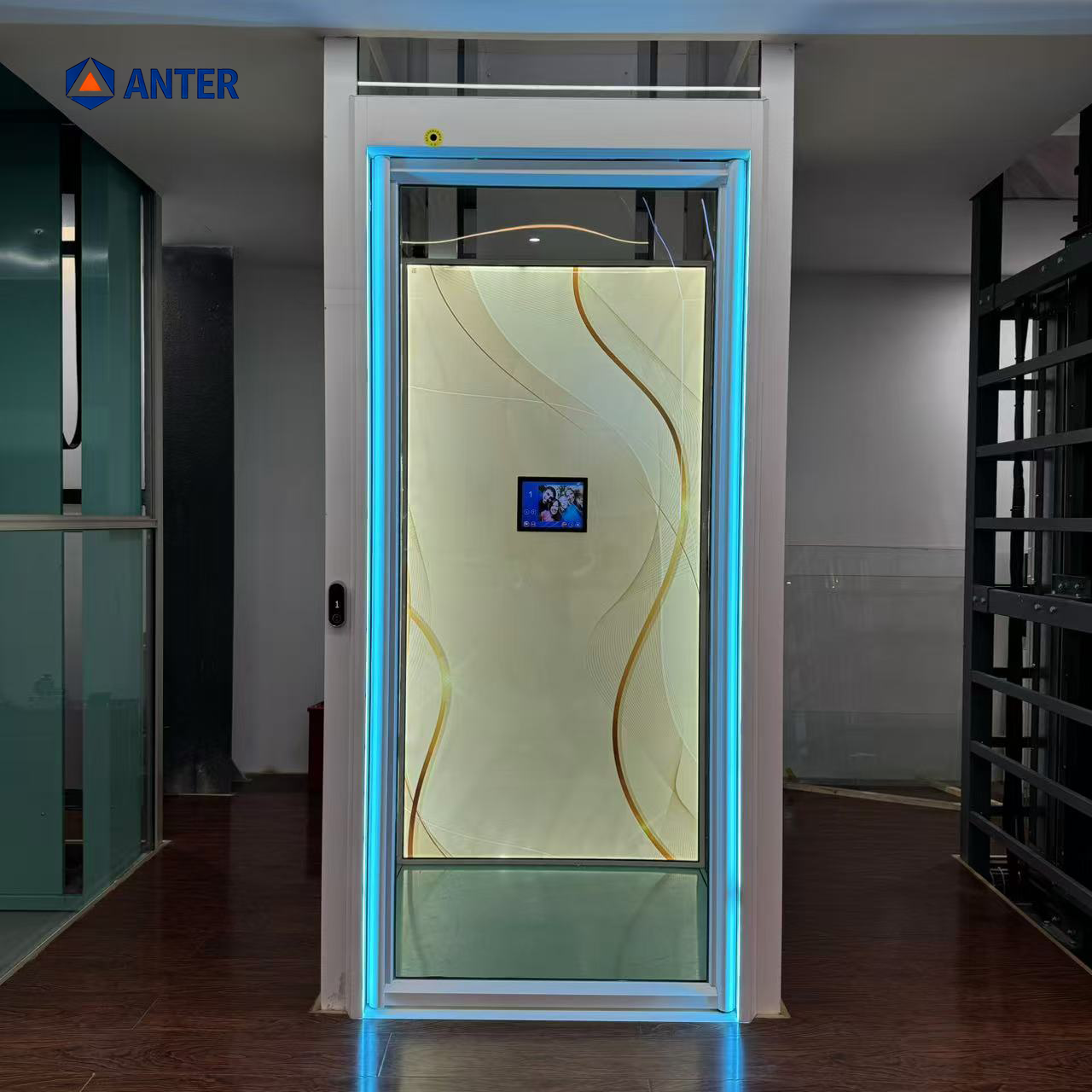
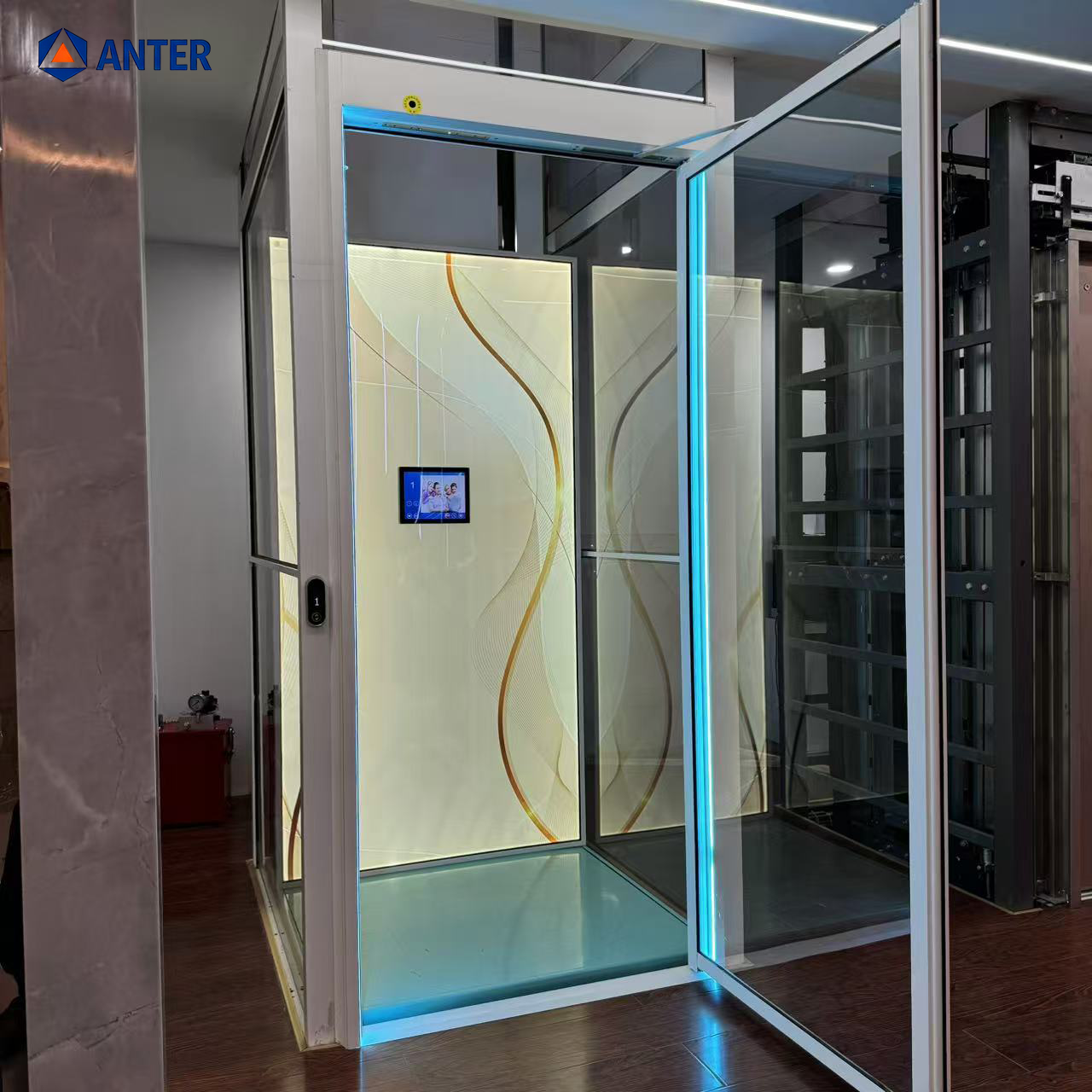
Machine-room-less elevators also rely on traction drives, operating on the same principle as traction elevators. However, unlike traction elevators, machine-room-less elevators do not require dedicated space for the traction drive system during installation; it can be placed inside the shaft or around the elevator shaft. This type of elevator solves the problem of installing a traction elevator on high floors when space is limited. The cost of a machine-room-less elevator is around $7,000. Furthermore, because machine-room-less elevators do not have a machine room, they require less space and do not require complex civil engineering, resulting in relatively lower preparation costs. As a simplified version of traction elevators, machine-room-less elevators are also easier to install and have lower costs.
Screw Elevator
A screw elevator mainly consists of a motor, a nut, a screw, and a car. The motor drives the nut to rotate on the screw, thus moving the car up and down. The installation cost of a screw elevator is around $8,400. Although the equipment itself is more expensive, the installation cost is lower. Because it relies on a single electric screw for vertical movement, it does not require a traditional shaft and does not require any modifications to the residence, making it suitable for families with lower load-bearing requirements.
The Cost during Installation of Home Elevator
Pre-Installation Costs
New Construction
For newly built houses, the preparation costs for installing an elevator are lower compared to houses that have already been built. Before the house is completed, communicate with the designer to reserve suitable space and shaft, and dig a suitable pit. This cost is included in the overall construction cost of your house and will not be charged separately. Furthermore, experienced designers or architects can provide free ideas regarding the style and space of the home elevator, working with you during the construction process to complete the elevator installation preparation work perfectly suited to your home.
Retofit
For existing houses, adding an elevator is an excellent option. While the installation cost will be higher than for newly built houses, rest assured that due to advanced elevator technology, the cost won’t be prohibitively high. If your house has enough space for an elevator, you can reduce the cost of modifying the house; you only need to prepare a pit. If you don’t need the elevator to be flush with the ground, a pit is unnecessary, making the pre-installation cost very low. If there isn’t enough space and you want to install an elevator with a shaft, you’ll need professionals to modify the building structure. Installing a shaftless elevator simply requires chiseling out suitable spaces between the floor slabs on each floor. Both methods incur costs, but the first is generally more expensive.
Cost of the Elevator Unit
Currently, the cost of a home elevator ranges from $10,000 to $60,000, but this is only a reference. The specific price will depend on the home elevator company you inquire with. Different floor heights, as well as customization and configuration requirements, will also increase the cost. You only need to tell the home elevator company your needs and situation.
Labor and Installation Costs
Labor costs are the main expense when installing a home elevator. Because home elevators are specialized pieces of equipment consisting of electrical and mechanical components, installation requires the involvement of professionals. Labor costs mainly fall into two categories. First, finding local installers. This is the least expensive option. However, the specific cost depends on the average cost of local workers. You can find elevator installation labor costs on construction forums like Houzz and Reddit. Second, having the elevator company provide installation services. This option incurs transportation and accommodation costs for the workers, and may not be as cost-effective as the first option.
Additionally, if insufficient floor load-bearing capacity is discovered during installation, there will be additional costs for structural modifications. This cost depends on the specific dimensions of the added thickness. Furthermore, since the elevator is electrically powered, an additional power switch is required, and a dedicated circuit may be necessary. Wiring costs will also incur. Specific costs need to be negotiated with the installation company or elevator company.
Post-Installation Costs
After installation, there will be two parts of the cost. The first part is the testing fee. This involves a comprehensive test of all parts of the elevator and its safety features. This fee may be included in the installation cost or not charged separately. However, if your region has specific regulations regarding testing of home elevators, a third-party inspection is required, and the cost of this will be negotiated between you and the elevator company.
Part Two: Post-Construction Maintenance and Repair Costs. This part involves ongoing expenses. Elevators require regular maintenance, typically once a year. You can sign a maintenance agreement with the elevator company or find a nearby maintenance company directly. The specific cost depends on your choice.
Additional Costs and Considerations
Installation Location
The installation cost of a home elevator also depends on the specific installation location.
If your residence is on a high floor, you may incur a hoisting fee. In remote areas, there will be additional transportation costs.
In bustling city centers or upscale communities, there may be additional construction permit fees and property management fees.
If the space around the elevator shaft is limited, labor costs may increase.
If the shaft dimensions are unsuitable, a custom-made home elevator will be required, increasing costs.
Maintenance and Servicing
Home elevators are complex mechanical and electrical systems, making regular maintenance and repairs essential. A normally functioning home elevator typically requires 1-2 maintenance checks per year, incurring additional maintenance costs. Many home elevator companies also offer maintenance contracts, which represent an extra expense.
Warranty and Insurance
Most home elevator companies offer a 1-2 year warranty on the entire elevator. This service typically includes a one-year warranty on core components under normal use; replacement of worn-out parts may incur additional costs.
Many families purchase home accident insurance or dedicated elevator insurance, which represents an extra expense.
How to Save The Installation Cost of a Home Elevator?
Choose the appropriate type of home elevator based on your own needs to avoid later renovation costs. Also, choose a suitable exterior and interior design for your home elevator, avoiding overly complicated and luxurious decorations.
For houses still under construction, the elevator shaft should be planned in advance, and a suitable installation location for the home elevator should be planned and reserved.
For older houses, consult with the installation experts in advance about home elevator options and choose a suitable installation plan to reduce unnecessary construction costs.
Choose a home elevator installation plan without a shaft, pit, or machine room, and select indoor or outdoor installation.
Choose an experienced installation team to complete the installation in one go, simplifying the renovation process and saving costs.
Conclusion
Installing a home elevator may seem like a significant expense, but it can actually bring you three times the benefits. A home elevator, representing both practicality and aesthetics, provides convenience for people with mobility issues, allowing them to move around their homes without expending time or effort. It can also serve as a symbol of high-end living, showcasing the owner’s refined taste and subtly expressing their distinguished status. Furthermore, a home elevator can be viewed as an investment; its value is integrated into the overall design of your home, increasing its market competitiveness and price.
While a home elevator offers numerous advantages, choosing the wrong company can lead to dissatisfaction and unnecessary trouble. To save you time and effort, we recommend Anter Elevator Company—a professional and reliable elevator manufacturer. Click here for a detailed look at Anter’s strengths and advantages. We encourage you to fully understand the company before making your informed decision. We sincerely welcome you to learn more about Anter and look forward to sharing a comfortable life with you!
FAQ
How long does it typically take to install a home elevator?
The installation time for a standard two-story home elevator, especially for new projects, is 1-2 weeks. Installation time for projects requiring civil engineering modifications is 2-4 weeks, depending on the complexity of the civil engineering work.
Will Medicare pay for a home elevator?
Medical insurance does not cover the cost of home elevators because home elevators are considered home renovations and not medical devices.
Which type of elevator is best for a home?
Traction elevators offer the best overall cost-performance ratio for home elevators, while home lifts provide a low-cost solution for vertical transportation problems.
How much space do you need for an elevator in a house?
A standard two-story house for two people, with a floor area of 0.9*0.9m-1.2*1.2m.
What size elevator for 2 people?
The dimensions of an elevator suitable for 2 people are 0.9m wide and 1.2m long.
What is the life expectancy of a home elevator?|
The expected lifespan of a home elevator is approximately 15-20 years, and can exceed 25 years with proper maintenance.