
A growing body of research indicates that spending time with parents in their later years can help reduce their risk of depression and loneliness, while also improving their life satisfaction and well-being. You certainly want them to feel happy and comfortable. However, taking care of elderly parents is not an easy task. You not only need to manage medications or schedule medical appointments, but also create a home environment that ensures their long-term safety, comfort, and independence.
Such a complex task is bound to be overwhelming, and any oversight could lead to danger. Therefore, in order to reduce your stress and create a better care environment for your parents, it is essential to prepare a care checklist in advance— an important tool for reducing omissions, identifying potential safety hazards, and alleviating caregiver stress.
In this guide, we will provide you with a sample checklist for caring for elderly parents. The content covers routine maintenance tasks, home safety precautions, and barrier-free solutions for creating a convenient life.

Why Is It Necessary to Create a Checklist?
Before we get to the main content, let’s understand why creating a list is so important.
Creating a checklist can not only simplify the care process, but also help you shift from “reactively dealing with problems” to “proactively identifying risks”. It compiles a multitude of items, from medication and diet to safe travel, recording everything that can make life easier for your aging parents.
Our care checklist for seniors goes beyond routine checkups; it also includes long-term planning for the future. It offers advice to help you address the mismatch between home structure and the mobility of the elderly, thereby increasing their independence and reducing the burden on their children.
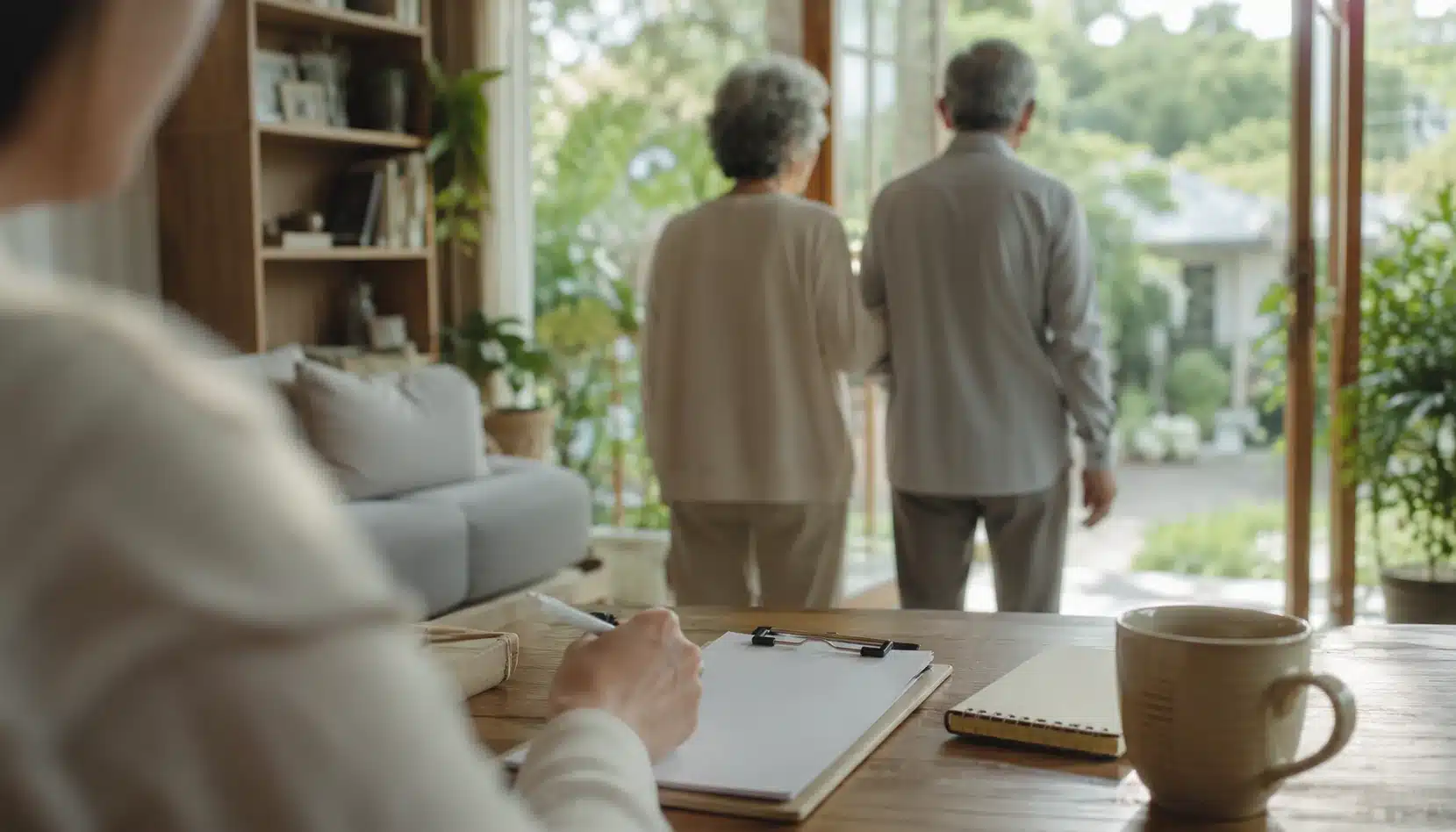
Daily Caregiving Checklist for Elderly Care
Many families need a basic daily care guide. However, since every family’s situation is different, you can add or reduce according to your own needs.
Daily Routine
Record the elderly person’s wake-up and bedtime. Before the elderly person gets out of bed, check the surrounding environment to prevent any obstructions. After getting out of bed, ensure the room is well-ventilated.
Diet
Carefully record the elderly person’s dietary preferences and food taboos, allergy history, and dietary requirements for chronic diseases, and properly categorize and file them. Afterwards, regularly review and improve the recipes.
Drug
Most elderly people need to take some medication. Therefore, proper medication use is crucial in everyday life. Please record on the list what medications the elderly person is taking, when they are taken, and the dosage. Observe the reaction after taking the medication and report back to the doctor regularly.

Daily Activities
Plan some daily activities for your parents on this list, including: going for a walk, reading a book, and having casual conversations. To make them happier and their lives more fulfilling.
Other Tasks
There are other complex tasks, including bathing, caregiving, emotional and health monitoring, which are arranged, recorded, and reminded at each key time point according to the elderly person’s condition and the doctor’s instructions.
Home Safety Checklist for Aging Parents
As we age, our mobility is affected. Even simple daily activities can become fraught with risks due to decreased balance. Therefore, in addition to routine care, the home safety of the elderly should be given due attention.
Eliminate Tripping Hazards
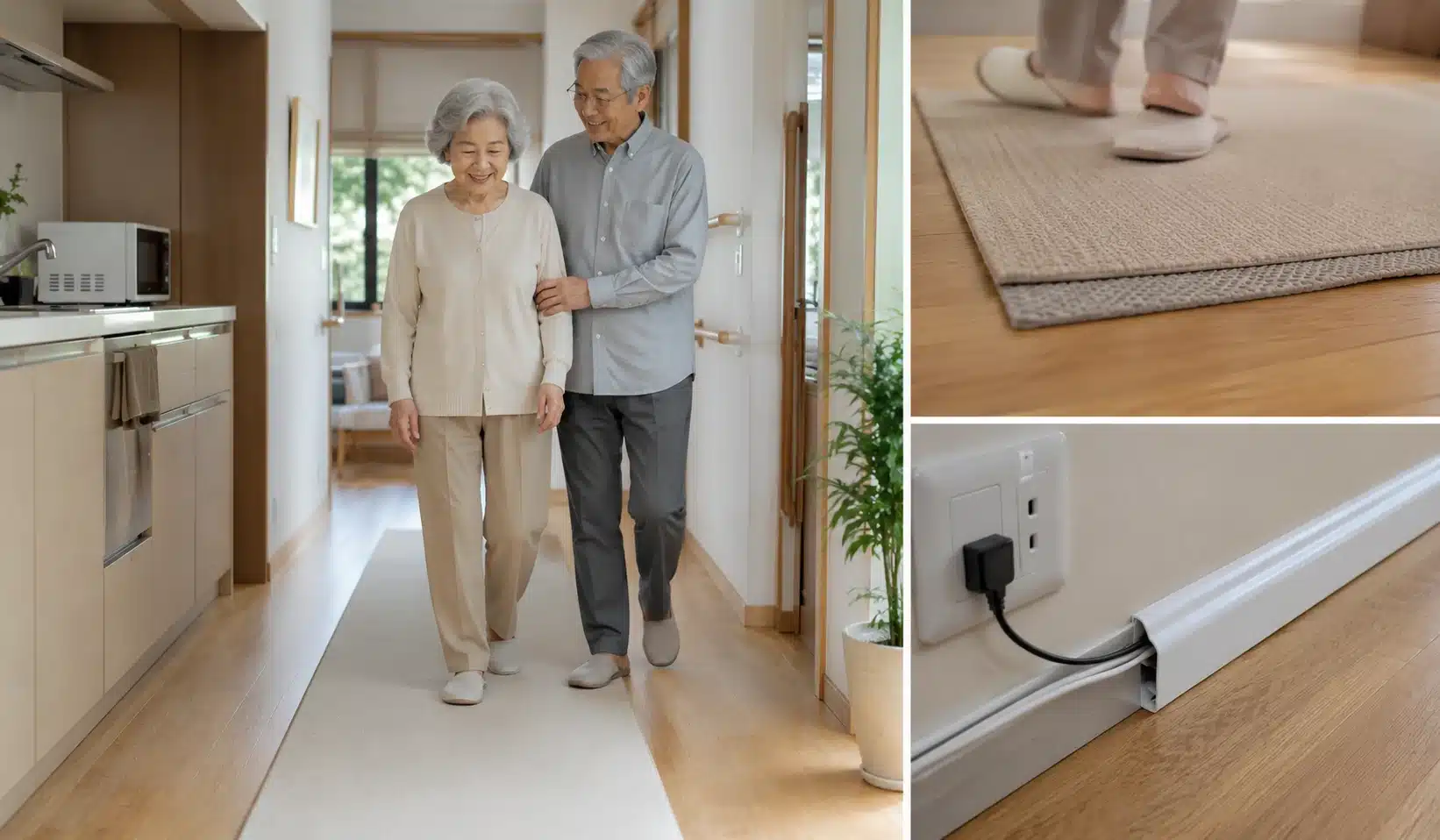
The following items have been relisted as to-do items on the list to eliminate the risk of elderly people tripping in their homes.
First, inspect the main activity areas of the house, especially the kitchen, bedrooms, and bathrooms. Clear away any obstructions in the passageway and refrain from placing temporary items or low furniture there.
Secondly, lay non-slip carpets inside the house. Regularly check to ensure it remains in a fixed position and avoid problems such as curling or shifting.
Third, store the power cord and charging cable in the cable tray, and make sure to keep them close to the wall when using them.
Improve Lighting
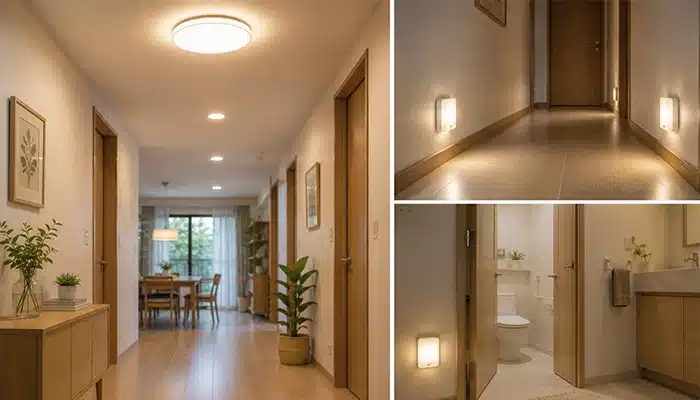
Improving lighting is very important for elderly people with declining vision. The first step is to regularly check the brightness of existing lights; if the brightness is insufficient, replace them immediately. The second step is to add soft motion-sensor lights to the entrances of the hallway and the restrooms.
Install Handrails
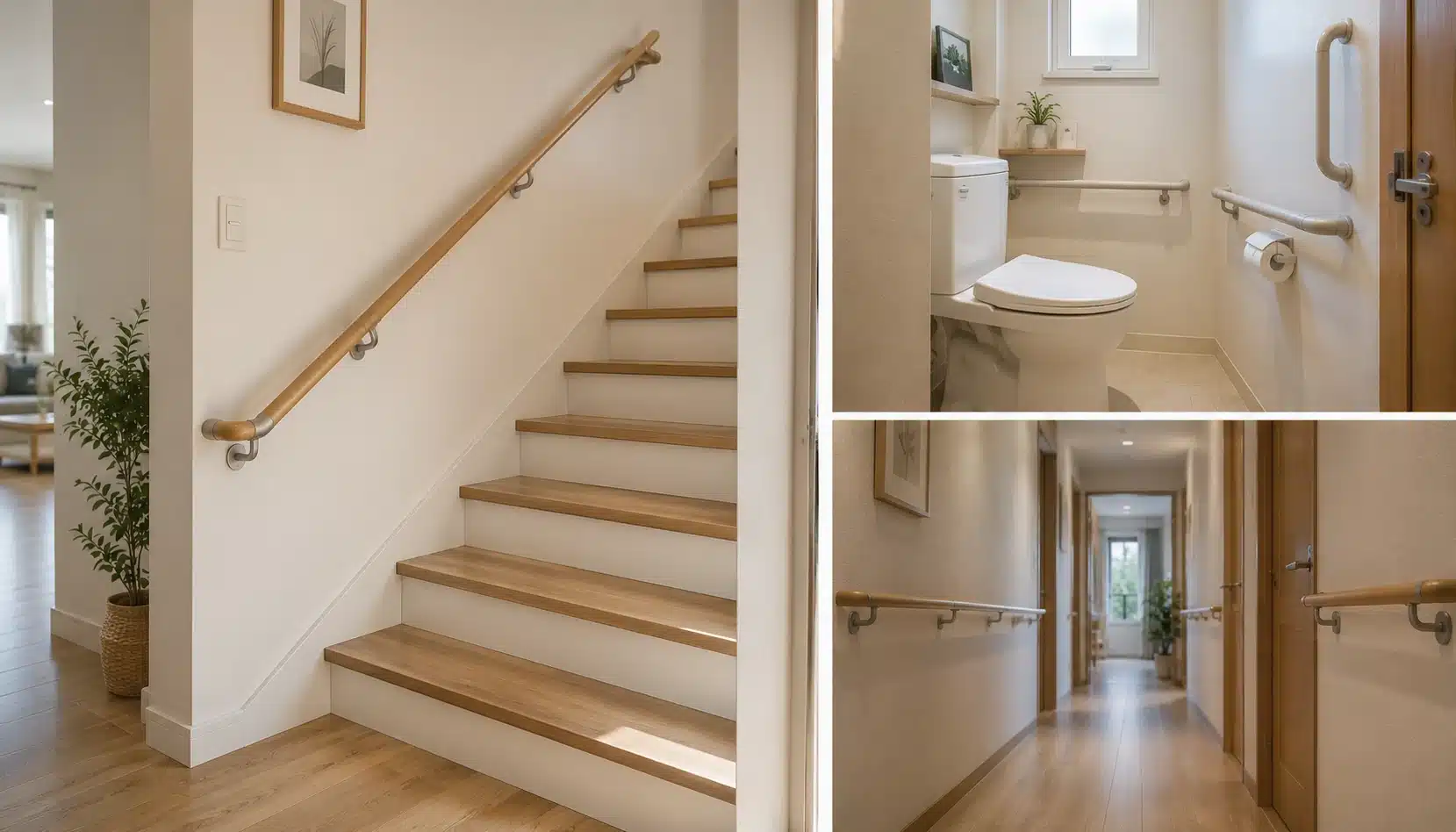
Installing handrails has been included as an important item on the care list. Please choose handrails that are non-slip, comfortable to grip, and structurally robust, and install them in high-risk areas of the residence, such as bathrooms, the sides of stairs, and the junctions of bedrooms and hallways. During installation, pay special attention to whether the height is easily accessible and whether it is convenient to support.
Renovate Staircase
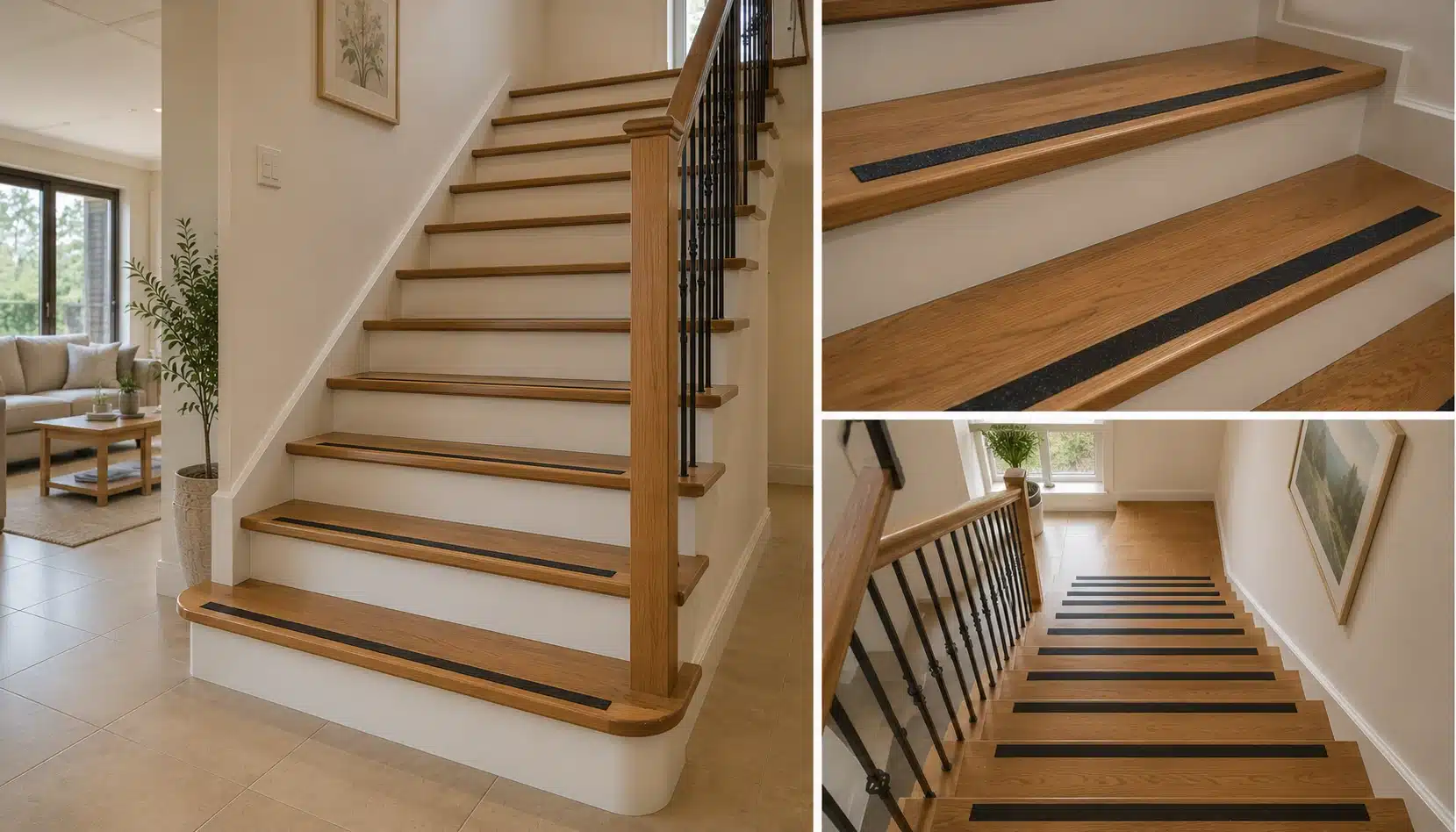
Stairs are an important passageway for going up and down stairs. Use your spare time to complete the tasks on the list related to renovating the stairs. Test the stability of the staircase and maintain the uniformity of the height of each step. In addition, the use of anti-slip materials or anti-slip strips on the stairs ensures the safety of the elderly.
Create Barrier-free Access
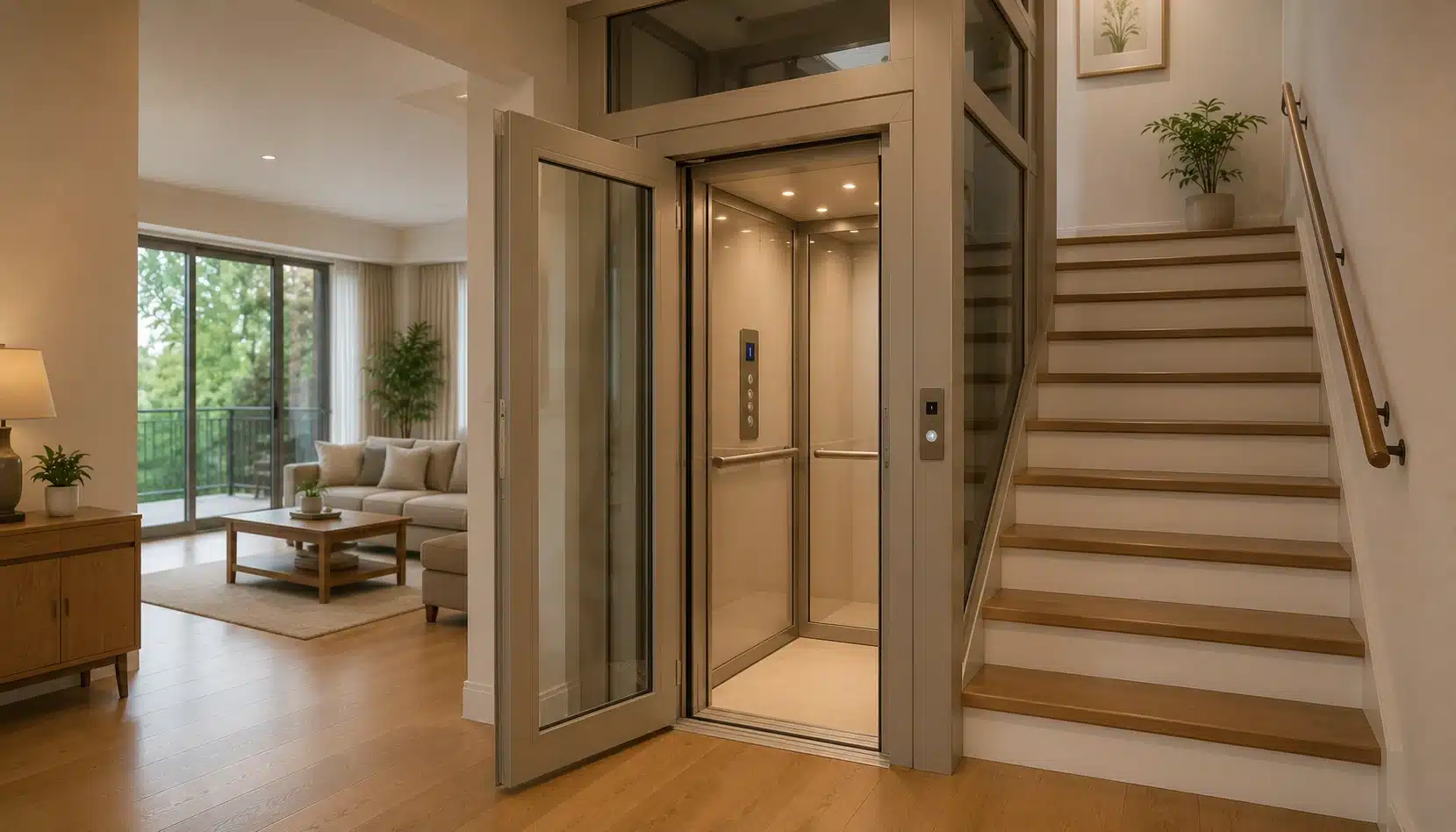
The stairs are not the only way to get around. Climbing stairs is a high-intensity activity for elderly people with limited mobility, which can put a strain on their hearts and seriously affect their health. In short, creating accessible pathways is of utmost urgency. You can create “stepless housing” by finding suitable accessibility equipment or by lowering or leveling the threshold.
Signs Your Parents May Need More Mobility Support at Home
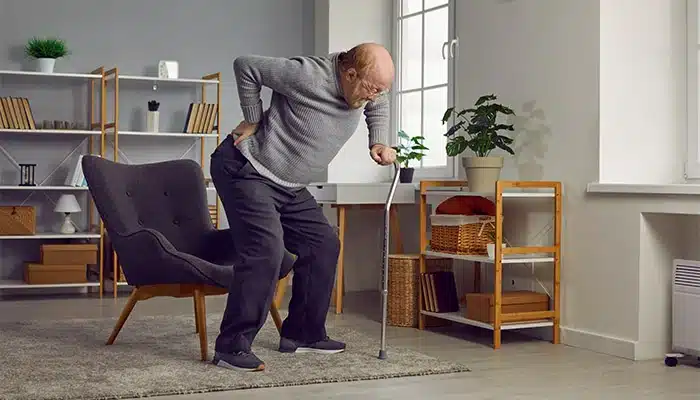
Pay attention to your parents’ actual daily life. When they show the following signs, promptly provide them with assistive devices for getting around at home and helping them to stand up.
Avoiding Stairs
One day, the parents suddenly started using the stairs less, spending more time on the same floor, and not moving around as freely as before.
Holding Walls While Walking
As they move, they begin to frequently hold onto walls or railings, and move slowly with occasional pauses.
Difficulty Carrying Laundry Upstairs
It was observed that the parents were finding it difficult to retrieve and move items between floors and needed assistance.
Fear of Falling
When their balance decreases, they become more concerned about falling, so they are always careful and slow down when moving.
Sleeping Downstairs Permanently
And finally, the most obvious sign: their physical functions no longer allow them to use the stairs freely, and they can only rest and move around on the first floor.
Accessibility Solutions That Can Help Seniors Keep Home Safety
When the above signals appear, consider this question: Is there a safe and effortless way to help improve the mobility of the elderly, making it easier for you to care for them and reduce stress? I will give you a definite answer: Yes. The following accessibility solutions all meet the criteria for stepless renovations listed above and can provide convenience for families.
Stair Lifts
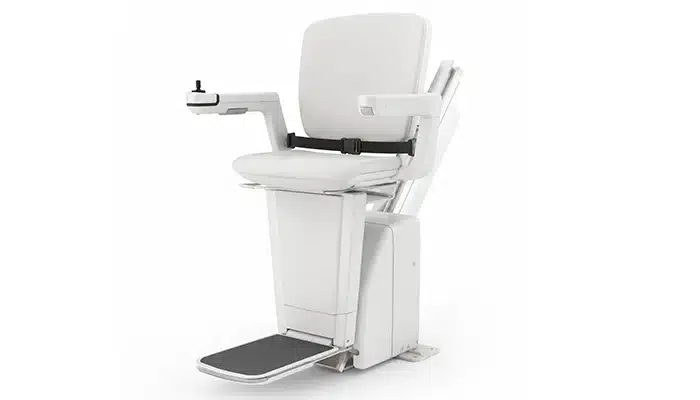
Stairlift chairs are also known as chairlifts. It is mainly divided into three parts: guide rail, seat, and electric drive. The guide rail is installed on the railing on the side of the stairs. The user sits in a chair, and then the motor drives it to tilt and move along the direction of the rail.
Features
Installation and modification: No need to demolish walls, dig up the ground, or modify the stairs.
Suitable for houses with existing stairs: It can be installed wherever there is a staircase, whether it is straight, S-shaped, curved, or any other shape.
Suitable for single riders: It can only be used by one person at a time, and there are clear restrictions on the user’s weight.
Stairlift chairs are typically equipped with seat belts and footrests for ease of use and to ensure user safety.
Suitable for both indoor and outdoor use: Offers both indoor and outdoor solutions.
Most seats support folding for storage: When not in use, the seat can be folded to one side, restoring usable space on the stairs.
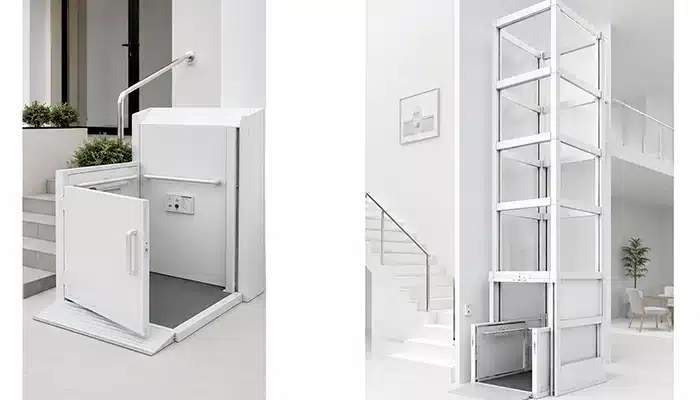
Vertical platform lifts are also known as small open-style elevators. It helps wheelchair users and people with mobility impairments to move vertically between floors through its non-enclosed cabin.
Features
Vertical lift: Suitable for porches or multi-story residential buildings.
Wheelchair accommodating: It has sufficient space and weight capacity to accommodate wheelchairs, and a through door is available for easy entry and exit.
Open structure: The vertical platform lift does not have a complete car.
No shaft required: Most vertical platform lifts can be installed without a shaft.
Equipped with a safety protection system: It is equipped with guardrails, safety doors, emergency stop buttons, etc.
Slow speed: The speed is usually 0.15 m/s or less.
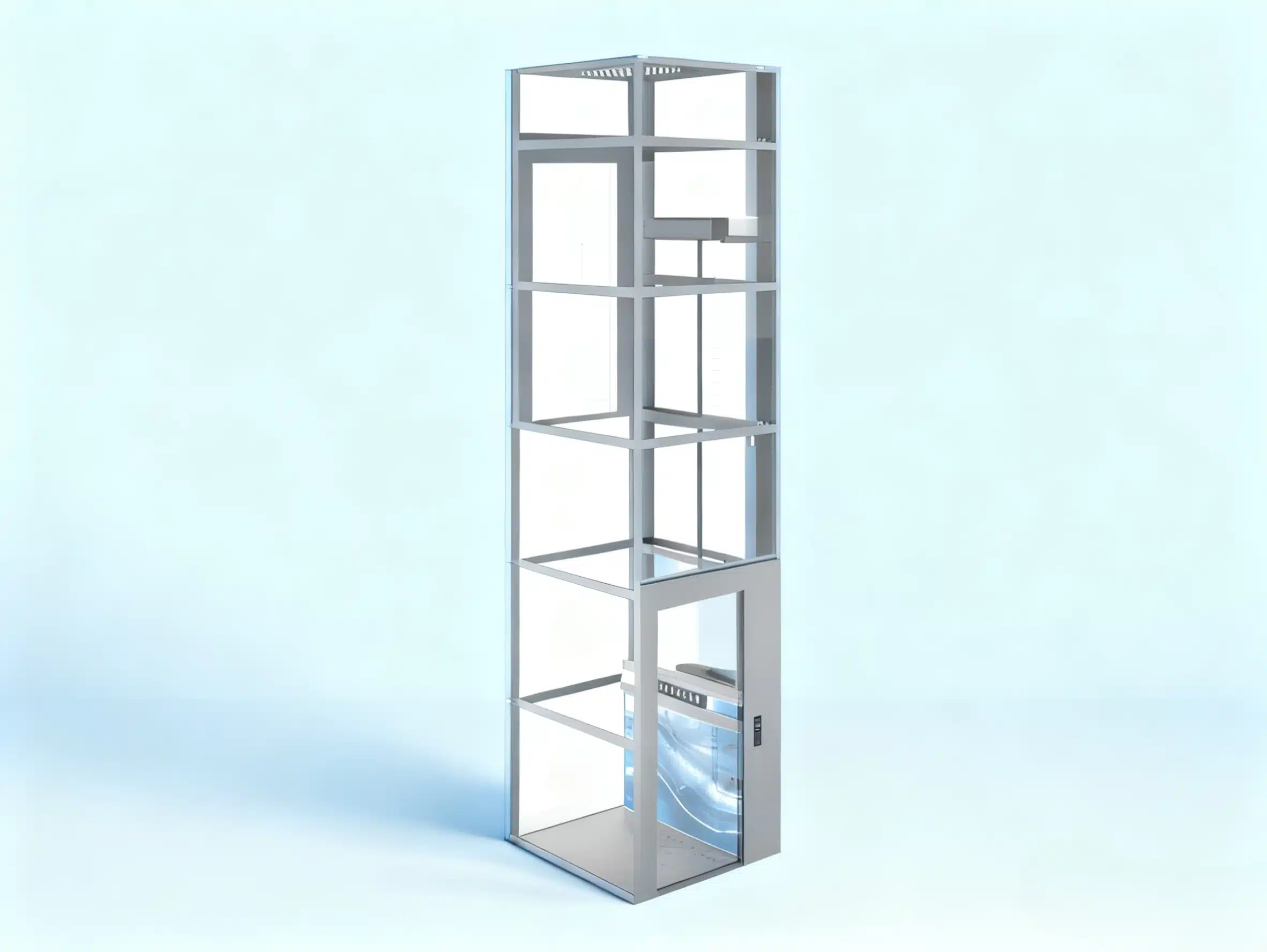
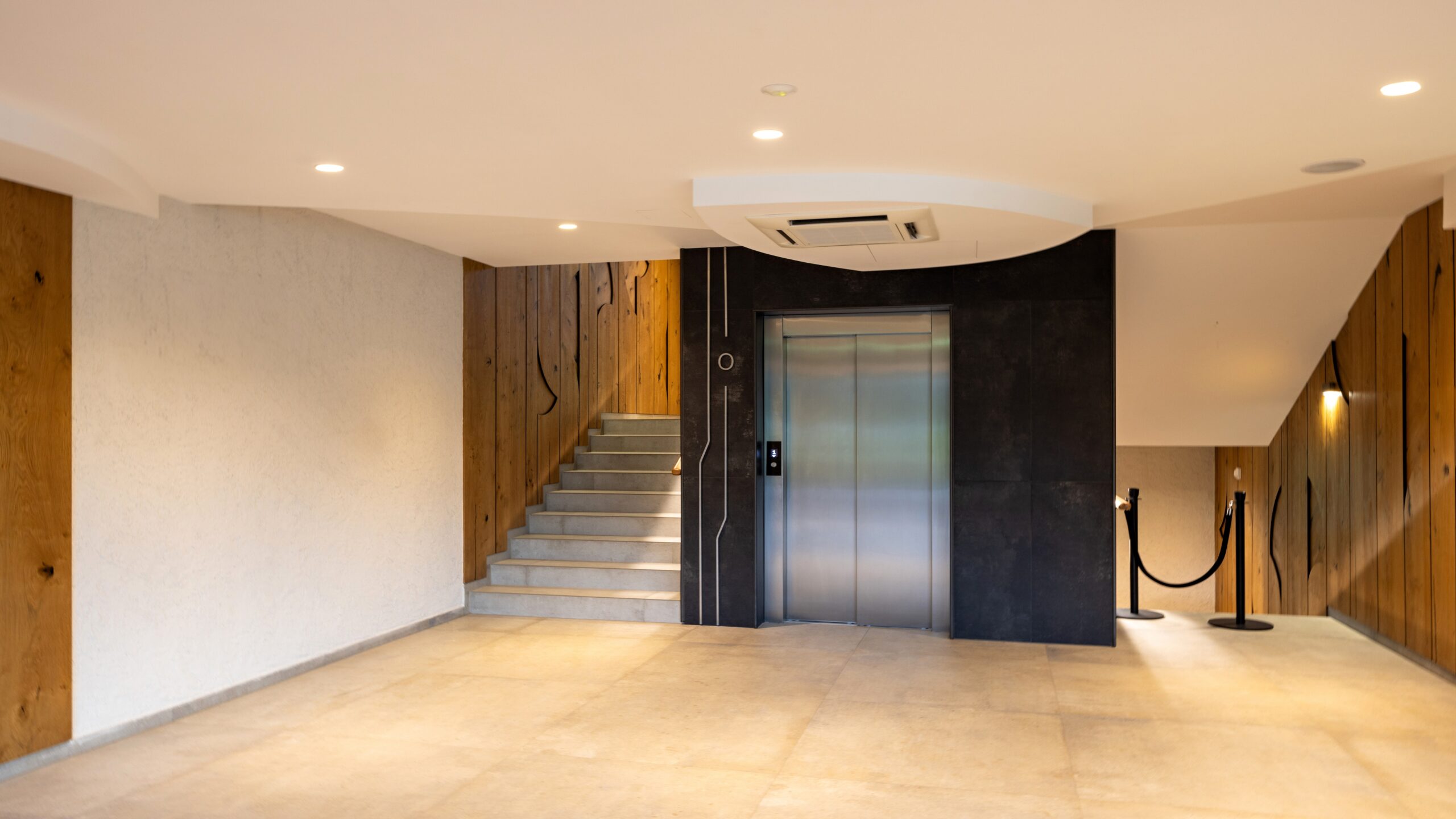
A home elevator is a small, barrier-free lifting device installed in a private residence (such as a villa, duplex, or self-built house) for use by family members.
Features
Connecting multiple floors: Home elevators have a long travel distance and connect multiple floors, either indoors or outdoors.
Enclosed car: It features an enclosed cabin with a relatively independent operating space. However, tempered glass can be installed around the perimeter, providing a clear view inside.
Customization: Home elevators are customized products, and every aspect can be tailored to your needs.
Suitable for multiple users:Home elevators have a high upper limit on their load capacity and size, allowing multiple people to use them simultaneously or in conjunction with wheelchairs.
Multiple drive options: Home elevators are available in four types: hydraulic, traction, vacuum, and screw drive.
High safety features: Home elevators are similar to commercial elevators, but in terms of safety, they are equipped with a variety of safety devices common to commercial elevators.
Smooth and quiet operation: Home elevators are designed to ensure a comfortable experience, and there is no vibration or noise during operation.
Why Home Elevators Are the Most Sustainable Long-Term Solution
After comparing the above accessibility solutions, home elevators are the most suitable for long-term use. The reasons are as follows:
| Home Elevator | Vertical Platform Lift | Stair Lift | |
| Comfort | Beautiful appearance, with a user experience similar to that of a regular elevator | Functionality outweighs comfort | Limited to seated use, low comfort level |
| Adaptability to future bodily changes | Even if you are completely unable to move, you can use it with a wheelchair. | Can accommodate wheelchairs, but its functions are not as diverse as those of a home elevator | Suitable for short-term rehabilitation assistance; cannot be used with a wheelchair |
| Security | Highest safety level and possesses the same core safety devices as commercial elevators | The safety level is moderate, with guardrails, safety gates, and bottom sensors. | Low safety, only includes a seat and seatbelt. |
| Service life | 15-25years | 10-15years | 7-12years |
| Multi-floor applicability | Connected to multiple floors and can be raised up to 21 meters | It can also be used between multiple floors, but the maximum lifting height is 12 meters. | It is mostly used for single floors; the more floors there are, the more complicated it becomes |
| Moving | It can be used to move strollers, washing machines, robot vacuums, pets, etc | While its load capacity is less than that of a home elevator, it can still be used to move some items. | For personal use only |
| Overall functional improvement of the house | Blends seamlessly into the home, forming part of the residential upgrade, combining practicality and aesthetics. | Leans more towards improving the practicality of the house. | Mainly reflects auxiliary attributes |
| Impact of property value | As part of the high-end features of a house, it enhances the house’s value. | Minimal impact on property value | No impact |
Why Choose Anter for Your Home Mobility Needs ?
Anter is a professional manufacturer that provides both home elevators and vertical platform lifts for accessibility. We have the following advantages:
- We offer comprehensive customization services, from elevator interior design, materials, shape, and shaft design all can be tailored to your specifications.
- Multiple elevator types. We have built a complete product matrix. Whether you need an elevator with a shaft, pit, machine room, hydraulic drive or traction system, stainless steel or glass exterior, we can manufacture it for you.
- Over 16 years of experience in manufacturing home elevators.
- The company supports transportation, installation, and after-sales services.
- Our products have a low failure rate, and without mandatory requirements, they can be inspected every 2-3 years.
Anter’s accessibility equipment is designed to provide users with the most comfortable experience at the best price. Installing it at home can help you better care for your elderly parents, solve the problem of going up and down stairs, and avoid the risk of falls and bumps. And it will also allow them to live a more comfortable, safer, and more dignified life.
Feel free to contact us to discuss your needs and surprise your parents!
FAQs
What is government assistance for caregivers of elderly parents?
In the United States, for example, the government provides financial subsidies, direct payments, tax breaks, and support services. Specific projects include: Medicaid, VA, Structured Family Caregiving, Dependent Care Tax Credit, Dependent Tax Credit. And there are also some non-monetary assistance projects and institutions:National Family Caregiver Support Program ,Area Agencies on Aging.
How can I make my home safe for aging parents?
The first step: Installing accessible equipment, such as home elevators, vertical platform lifts, and stair lifts, to replace stairs and reduce the risk of falls and bumps.
The second step: Using anti-slip materials in the house to cover the main living areas.
The third step: Installing handrails in the bathroom, bedroom, and on both sides of the stairs.
The fourth step: Installing motion-sensor lights in the areas where the elderly move around to ensure sufficient brightness.
What mobility equipment is best for elderly parents at home?
Home elevators are more suitable for the elderly, offering a more convenient and dignified way of getting around. It is easy to operate, safe to use, requires no climbing stairs, and allows you to choose to sit or stand while riding.
What are the benefits of installing a home elevator for senior care?
The biggest benefit of home elevators for the elderly is that they can improve mobility and allow them to move freely between different living areas. It can also preserve the dignity of the elderly living independently and reduce the pressure on their children.
Can elderly parents use a home elevator independently?
Yes. Home elevators are practical tools that can be used independently by elderly people who can walk or wheelchair users without the need for assistance.
 English
  Arabic
  Vietnamese
  German
  Malay
Malay  Thai
Thai