
As population aging becomes a global trend, especially as the baby boomer generation enters old age, elder care has become a primary concern for citizens worldwide. Many people choose to move from multi-story buildings to single-story homes, many enter nursing homes to receive specialized care, but a large number of people are still unwilling to leave the homes they have lived in for a long time and choose to age at home.
Living independently at home is not a very difficult thing, as modern society has provided them with many convenient resources for home-based elder care. Making effective use of these resources can make life more comfortable and simpler.
If you are exploring better solutions for aging in place, this article can help you. This integrates all the resources that the government and society can currently provide for elderly care. Simply by reading it, you can obtain comprehensive information.
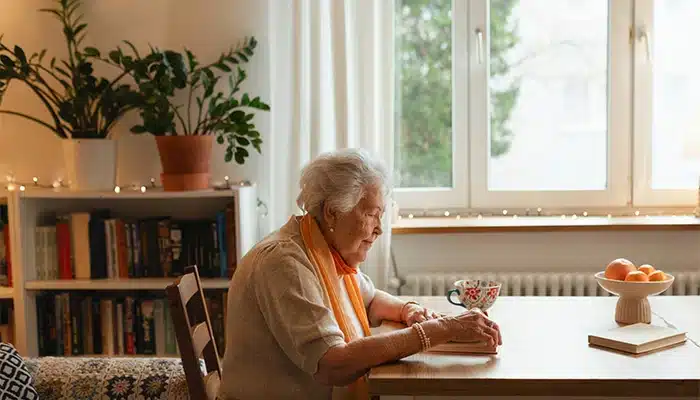
Emergency Alert Systems
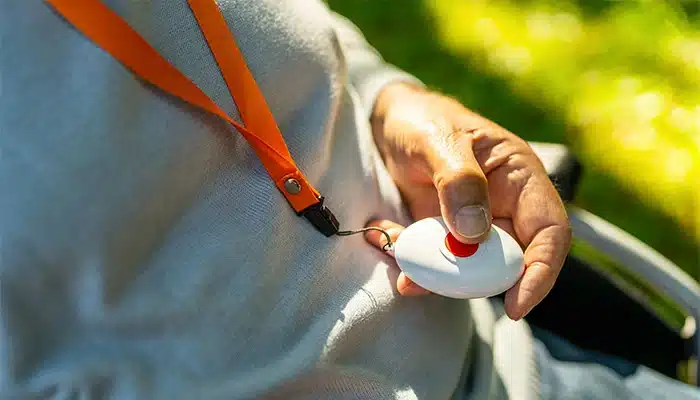
Emergency alarm systems are an important home security solution. It typically includes: an emergency call button, a fall detection system, a home emergency response system, and a smart monitoring system.
Emergency call button: It is usually a portable device, such as a bracelet or necklace. When an elderly person falls or suffers a sudden illness, pressing a button on the bracelet or necklace can directly alert the police or automatically contact family members.
Fall detection system: It is equipped with smart sensors that can monitor the elderly’s activity status and changes in body posture in real time. An automatic alarm will be triggered immediately upon detection of any abnormal situation.
Home Emergency Response System:It is an alarm installed in various main living areas of a residence. When the elderly press the button, it will automatically send a message to their children or trigger an alarm. Some devices can make two-way calls.
Intelligent monitoring system: The intelligent monitoring system monitors the elderly person’s physical condition in real time and reports the results to their children.It is more intelligent than fall detection systems.
Grocery and Meal Delivery Services

For some elderly people with limited mobility, cooking and going out to buy daily necessities is a challenge. Currently, grocery and meal delivery services are widely available in most countries. Taking advantage of this service can increase the convenience of home-based elderly care by 25%.
Commercial delivery platforms, community organizations, non-profit organizations, government-supported projects, and elderly care facilities can all provide this service for you.
You simply select the items you need, and someone will deliver them to your door.
And if you don’t want to cook or aren’t good at cooking, some organizations also offer in-home cooking services, or deliver pre-packaged ingredients and easy recipes.
Transportation Assistance Programs
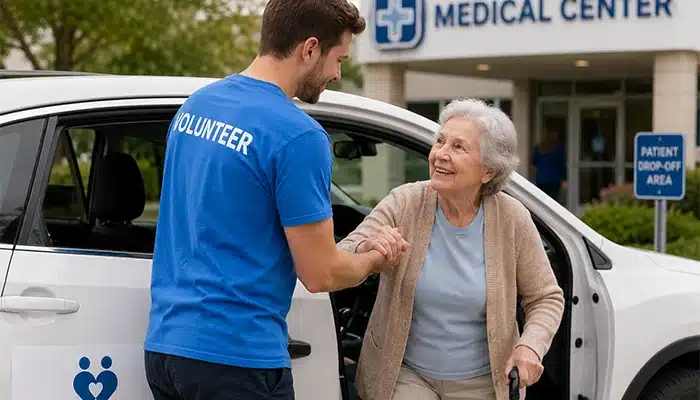
Going to the hospital for medical treatment, going out for social activities, and handling matters are not easy for the elderly. The inability to walk for long periods, drive a car, or other forms of reduced mobility will limit their outdoor activities. However, the following transportation assistance programs can help them eliminate these restrictions and meet their daily activity needs.
Medical transport: Some medical facilities offer pick-up and drop-off services and companionship for seniors at medical appointments. This service is typically available through health insurance and government programs, hospital and clinic social workers, and local aging services organizations.
Community pick-up and drop-off service: Many communities provide senior citizen buses with telephone booking services. If needed, please contact your community to inquire whether this service is available to you.
Volunteer pick-up and drop-off: Local non-profit organizations that help seniors offer pick-up and drop-off services and escort services to ensure your safety while traveling.
Accessible transportation: National welfare institutions are promoting accessible transportation, such as accessible buses and accessible taxis. These transportation facilities are equipped with all the assistive devices needed by elderly people with mobility difficulties.
Telehealth and Medication Reminders
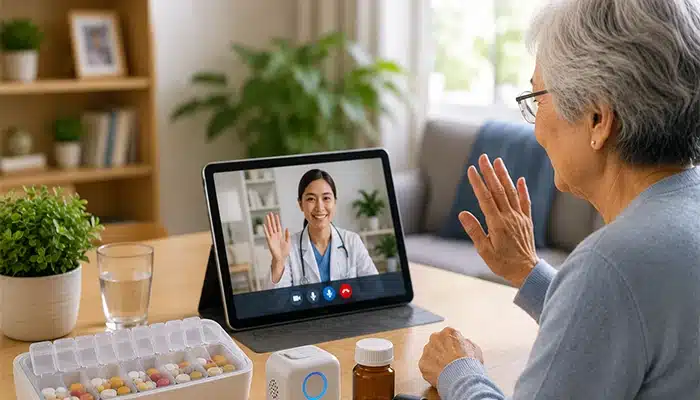
Medical institutions provide remote consultations and health advice via the internet or telephone. Furthermore, after receiving real-time data transmitted from the elderly’s body monitoring device, the system analyzes the data and proposes a recuperation plan.
Medication reminder services are especially important to prevent drug abuse and ensure timely and accurate medication use. Using smart devices, you can set the time and amount of medication to take, and receive an automatic reminder when the time comes. You can also seek help from family, healthcare professionals, and the community to receive remote reminders or in-home monitoring of your medication intake.
Home Safety Modifications

Modifying homes to suit the activity habits of the elderly can contribute to a higher quality of home life.
Install non-slip flooring: Replacing floors with non-slip ones in key living areas such as bathrooms, kitchens, and bedrooms can help reduce the risk of slipping due to decreased mobility.
Widen the doorway: When elderly people need to use wheelchairs or other assistive devices, the doorway can be widened according to the size of the device to facilitate their free movement in and out of different areas.
Lighting optimization: To optimize lighting in a residence, motion-activated lighting devices can be selected to ensure adequate lighting in corridors and bathroom connections. It can effectively address the risks associated with elderly people’s nighttime activities.
Building accessible shower rooms: Choose a walk-in bathtub or threshold-free shower, remove obstacles in the bathroom, and install anti-slip mats in various locations on the floor.
Mobility Solutions for Multi-Story Homes
For those who want to retire in multi-story homes but don’t want to give up too much of their activity area, the following mobility solutions can help you use your home more safely and conveniently.
Stairlift
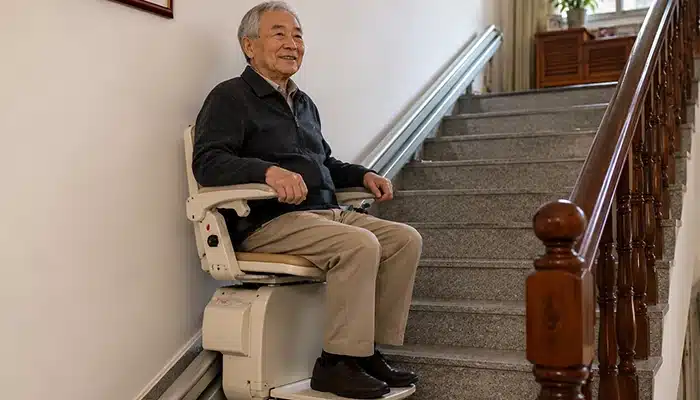
Stairlift chairs are convenient assistive tools designed for two-story homes. It can help elderly people with poor balance and limited mobility overcome the difficulty of going up and down stairs.
Stairlift chairs use guide rails installed on the railings on one side of the stairs as the running track; the electric chairs serve as the carrier, helping the elderly to go up and down the stairs. It is one of the important accessibility tools for the home.

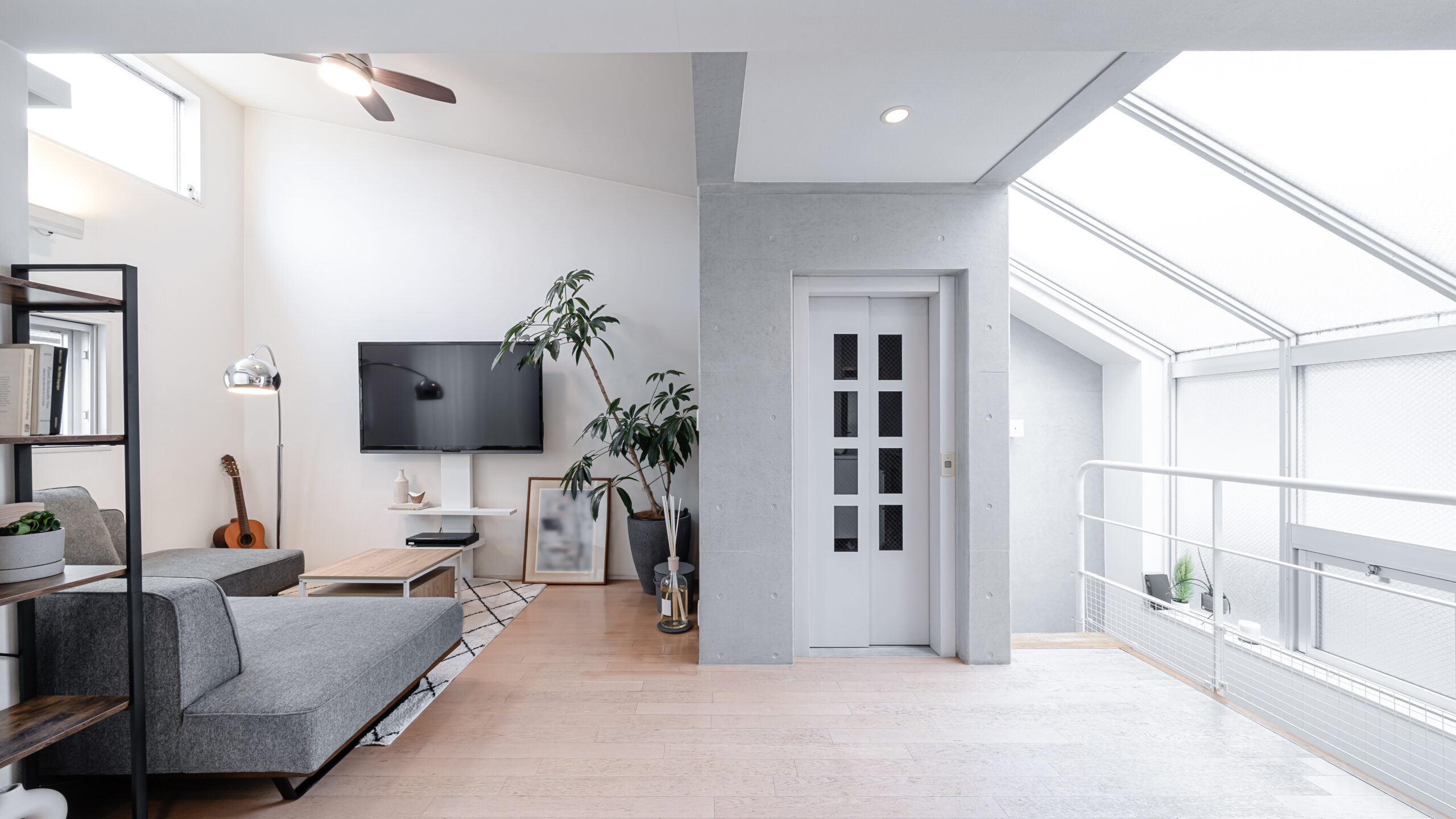
Home elevators are becoming an increasingly popular choice for people looking to improve their home-based elderly care conditions. It is simple to operate, safe to use, and provides users with maximum mobility, making it the best assistive tool for the elderly.
Home elevators can be used by both seniors with full mobility and wheelchair users. The enclosed cabin and spacious interior, along with the double-door structure and automatic doors designed according to the house’s layout and the user’s physical condition, all enhance the convenience of movement for the elderly.
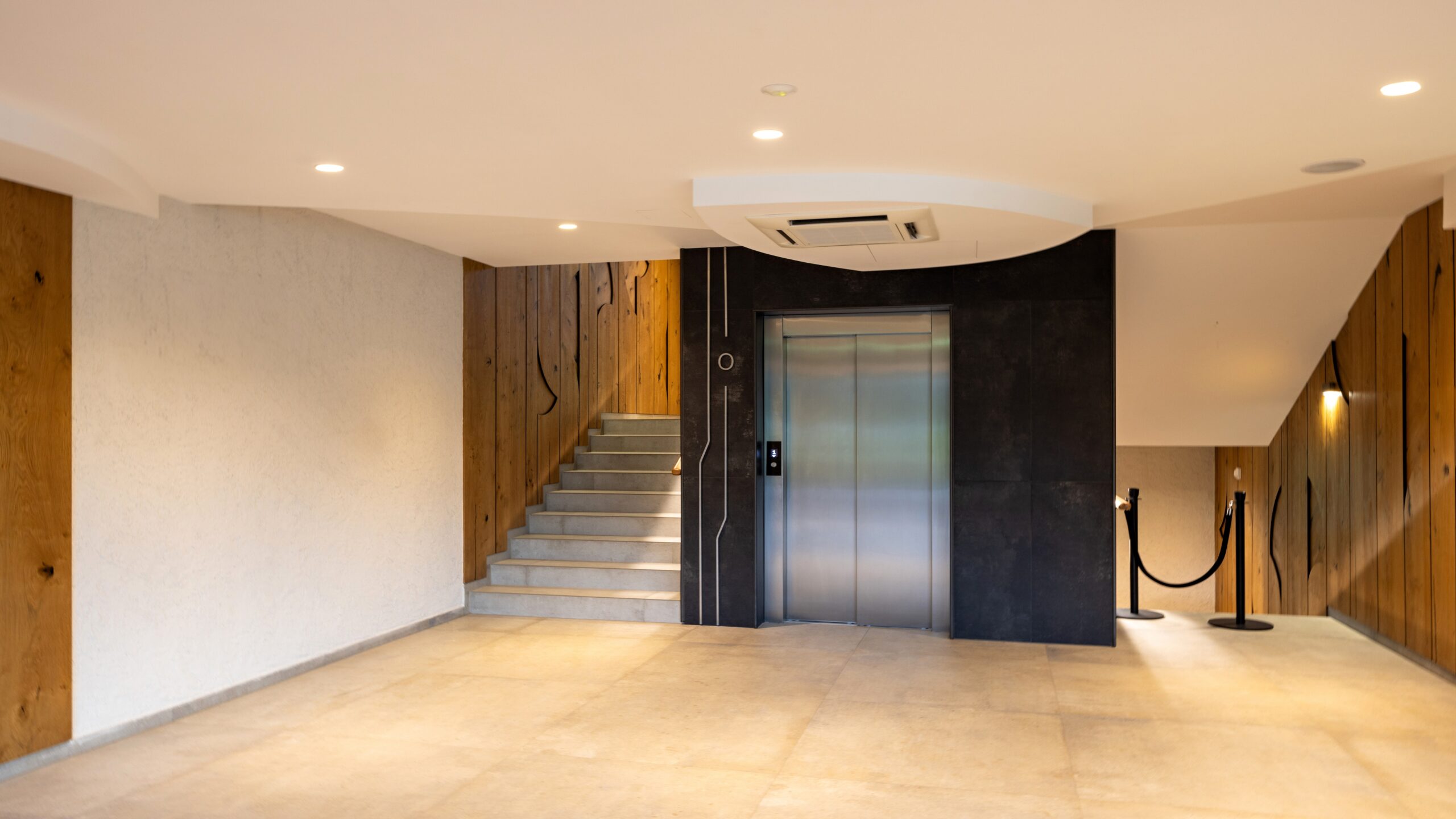
In addition to practicality, home elevators are also aesthetically pleasing. It can be customized in appearance to perfectly blend into home décor. When a home elevator is no longer just a cold, impersonal machine but a work of art, it can influence the user’s mood and bring them a pleasant sensory experience.
In addition, compared to obtrusive and ugly equipment, aesthetically pleasing home elevators can increase the elderly’s willingness to use them and prevent them from feeling embarrassed by this “special device” when relatives, friends, or community service personnel visit.
Home elevators also provide the elderly with the most dignified home life. The features and functions of home elevators allow the elderly to use them independently without the need for assistance, thus maintaining their ability to live independently. Furthermore, the convenience of home elevators means that the elderly do not have to face the embarrassment of being physically weak in public, thus weakening the label of “patient/disabled” and allowing them to live with more dignity.
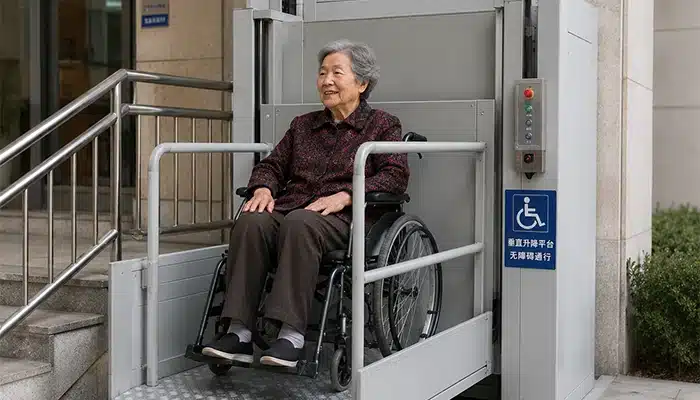
Vertical platform lifts are similar to home elevators, but they have a non-enclosed cabin structure.
The semi-enclosed platform moves up and down along the guide rails, making it suitable for wheelchair users.
Vertical platform lifts come in two types. A device for overcoming short-distance obstacles in porches, courtyards, etc. Another type is a vertical platform lift that can help the elderly move between multiple floors. Either approach can address the issue of limited mobility in home-based elderly care to varying degrees.
Handrails
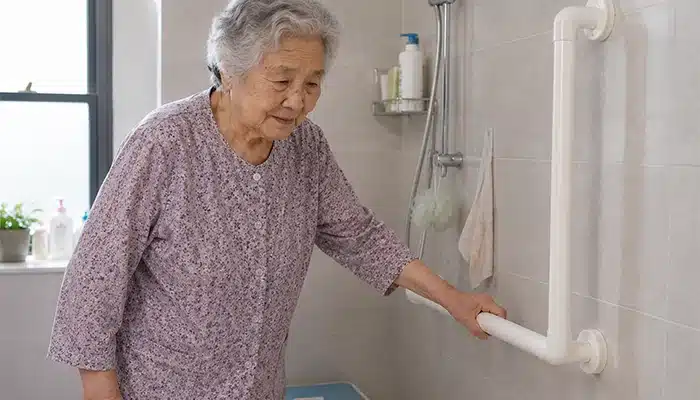
Handrails are the simplest solution for creating accessible housing. Installing handrails in living areas such as the living room, bedroom, and bathroom can help elderly people regain their balance when they are tired, reducing the risk of falls.
Community and Social Support Programs
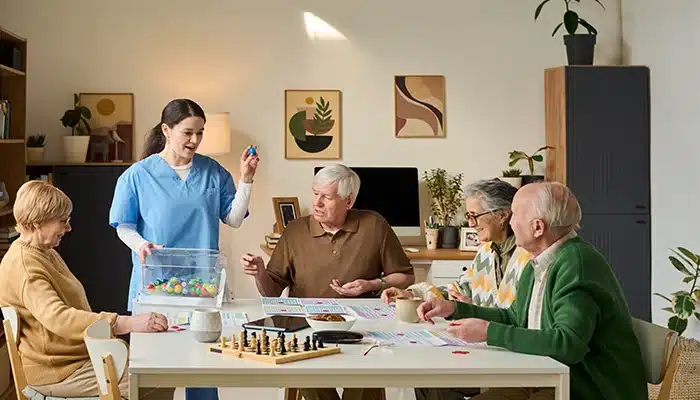
In addition to home-based elderly care assistance provided by national or local organizations, your community will also offer support.
The community organizes activities such as senior activity centers, interest courses, volunteer visits, telephone support, community gatherings, and daily assistance to help you stay connected with the outside world and convey a positive attitude towards life. If you have any trouble, try asking your neighbors and community workers for help; they can respond to your needs quickly.
The community also collaborates with medical institutions to customize health checkups for the elderly and propose medical plans to help them manage their health.
If you’re unsure about these things, pick up the phone and ask your community staff if there are any activities planned for you.
Smart Home Technology
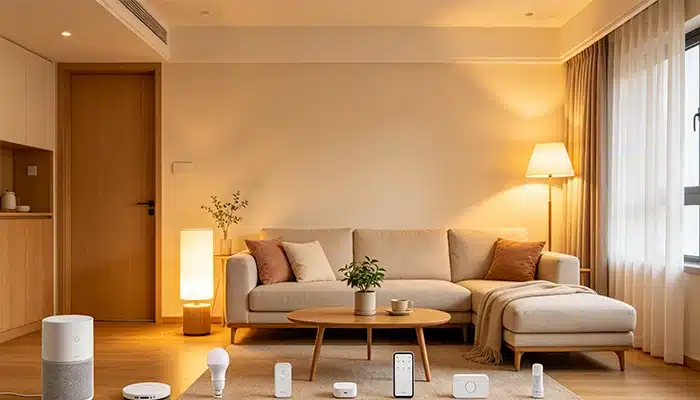
Due to rapid technological advancements, smart home technology has been incorporated into modern elderly care solutions. Smart lighting, voice-controlled devices, smart door locks, remote monitoring, automatic sensing systems, and environmental control devices can all be used in home life to make everything simpler.
Conclusion
If you search online or ask people around you, you will find many resources to help you adapt to aging at home. In addition, by fully understanding your own needs and making good use of these resources, you can live a safe, comfortable, healthy, and worry-free life every day.
In home life, safety and convenience are the two primary core needs. Creating barrier-free housing using mobile tools not only meets the above needs but also allows the elderly to live independently and with dignity.
Anter can provide you with two efficient barrier-free mobility solutions: home elevators and vertical platform lifts, allowing you to move freely in multi-story residential buildings and reach specific areas without restrictions.
For further professional support, please contact us. Our professional team is available 24/7 to solve any problems you may have.
FAQs
What does aging in place mean?
Home-based aging refers to the continued living of elderly people in their familiar homes and communities, rather than in nursing homes. Home-based elder care has become a mainstream choice in the context of a global aging population. Whether considering convenience, cost, or the elderly’s wishes, home-based elder care is an excellent solution.
How can seniors prevent falls at home?
The renovation of the house includes the installation of handrails, non-slip flooring, and accessible facilities such as a home elevator. These methods can effectively prevent elderly people from falling.
What is better for seniors: a stair lift or a home elevator?
Stairlift chairs can be used by people who are mobile or who are accompanied by others. It is best installed in a two-story house for short-term rehabilitation use.
For people who have completely lost their mobility and need to use the elevator for an extended period of time, home elevators are recommended— more convenient and safer. Home elevators can overcome the problem of traveling between higher floors.
What are the biggest risks for seniors living alone?
Falls are the number one cause of illness for elderly people living alone. Stairs, bathrooms, slippery floors, dizziness when getting up, and weakness in the legs are all possible causes of falls in the elderly.
How do home elevators improve quality of life for seniors?
Home elevators are an alternative to stairs and can effectively reduce the risk of falls for the elderly when using stairs. For villas, duplexes, and self-built houses, home elevators allow the elderly to freely move between different areas of the building, and independently complete tasks such as retrieving items, tidying up, and cleaning. In addition, home elevators not only expand the range of activities for the elderly, but also make them happier and mentally healthier.
 English
  Arabic
  Vietnamese
  German
  Malay
Malay  Thai
Thai